
Introduction
The wood chips supply chain from Indonesia plays a growing role in biomass energy, industrial heating, and material processing markets across Asia-Pacific, the Middle East, and beyond. While wood chips are often viewed as a simple, low-processing fuel, their reliability depends heavily on how they are sourced, dried, and transported.
For international buyers, understanding these supply-chain fundamentals is critical. Variations in moisture content, chip size, or handling practices can significantly affect boiler efficiency, storage requirements, and landed cost. This article explains how Indonesian wood chips move from source to shipment—and what buyers should evaluate at each stage.
Raw Material Sourcing: Residues, Not Deforestation
Most export-grade wood chips from Indonesia are produced from sawmill residues, plantation thinnings, or forestry by-products. This sourcing model supports sustainability objectives while ensuring consistent raw material availability.
Buyers increasingly request documentation confirming legal and traceable sourcing. In Indonesia, SVLK verification provides assurance that wood materials originate from compliant and regulated forestry operations.
Chipping and Size Control
Wood chips are mechanically processed into specific size ranges depending on application. Industrial boilers, pulp producers, and energy plants all require different chip specifications.
Proper screening and sizing reduce:
- Oversized chips that block feed systems
- Excess fines that increase dust and combustion instability
Export-oriented suppliers apply controlled chipping standards to meet buyer requirements rather than supplying mixed or unclassified material.
Drying: The Most Critical Quality Variable
Moisture content is the single most influential factor in wood chip performance. Freshly chipped material often contains moisture levels exceeding 40–50%, which significantly reduces usable energy output.
Drying methods vary:
- Natural air drying (time-dependent, weather-sensitive)
- Covered drying yards with airflow control
- Mechanical drying for tighter specifications
Buyers must understand the drying approach used, as moisture consistency matters more than absolute moisture levels.
Storage Before Export
Proper storage prevents moisture reabsorption and biological degradation. Wood chips stored incorrectly can develop mold, decay, or excessive fines.
Export-ready storage practices include:
- Covered yards or sheds
- Elevated ground storage
- Controlled pile heights to avoid self-heating
Transport Logistics: Bulk vs Containerized Shipments
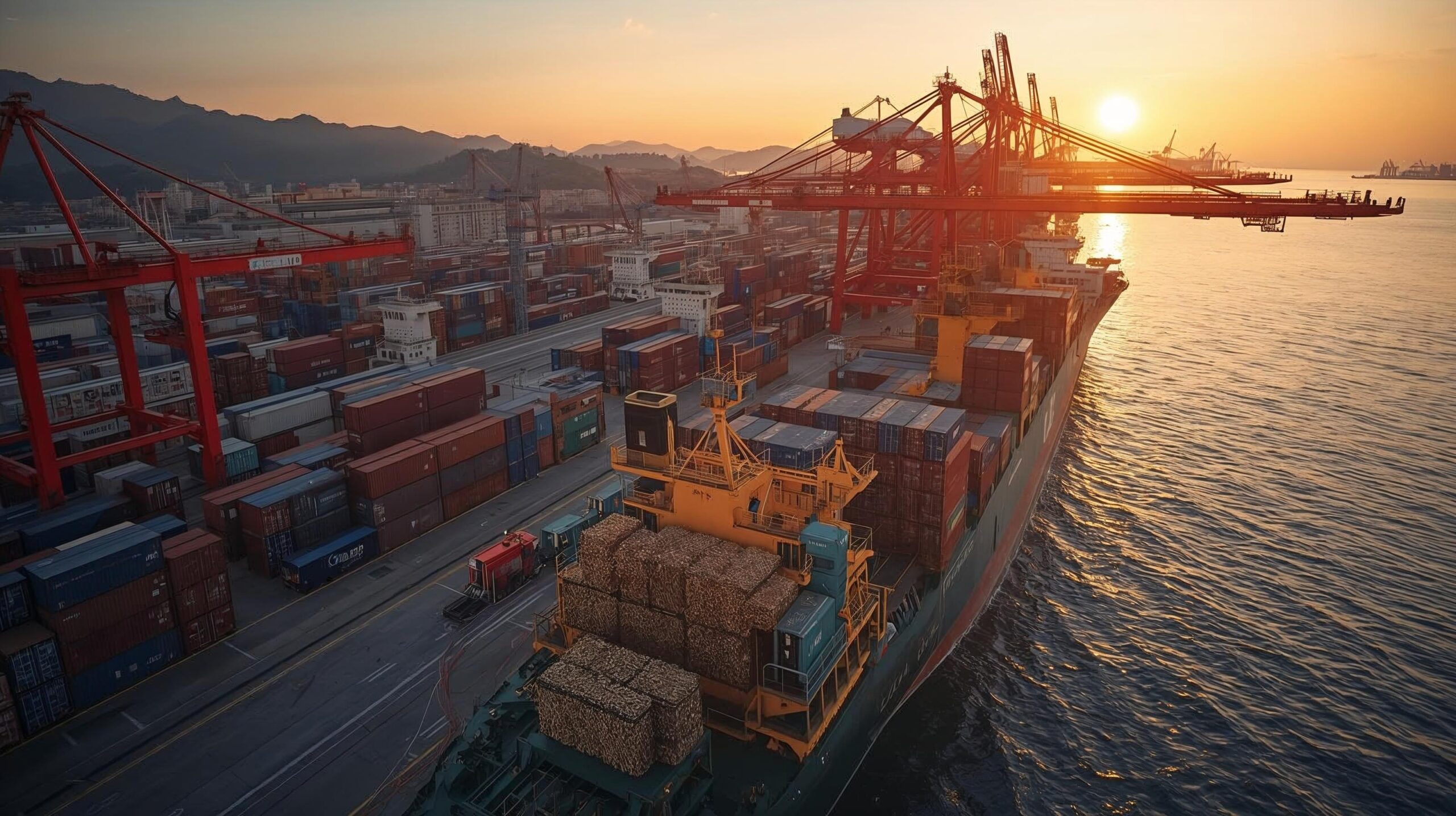
Wood chips can be shipped in bulk vessels or containerized formats depending on volume, destination, and infrastructure.
Containerized shipments offer:
- Better moisture protection
- Easier handling for smaller volumes
- More predictable delivery schedules
Bulk shipments suit large-scale energy buyers but require advanced port coordination and moisture-control planning.
Cost Structure and Buyer Evaluation
Wood chips often appear cheaper than pellets on a per-ton basis, but experienced buyers evaluate cost per usable energy unit. Moisture variability, transport inefficiency, and handling loss can erode apparent savings.
Buyers who understand the full supply chain avoid underestimating landed cost and operational impact.
Why Indonesian Wood Chips Are Competitive
Indonesia’s advantages include:
- Proximity to Asian markets
- Abundant forestry residues
- Competitive processing and labor costs
When properly dried, sized, and handled, Indonesian wood chips provide reliable performance for industrial and energy applications.
Conclusion
The wood chips supply chain from Indonesia is more complex than it appears. Sourcing legality, moisture control, sizing, storage, and transport all influence final performance.
Buyers who understand these variables make better procurement decisions, reduce risk, and achieve more stable biomass operations.
If you are sourcing wood chips from Indonesia for industrial or biomass use, our team can help evaluate specifications, drying methods, and logistics options.
- Is Binchotan Worth the Cost? A Buyer’s Perspective
- Wood Chips Supply Chain from Indonesia: Sourcing, Drying, and Transport
- Handling and Storage Best Practices for Exporting Charcoal Products
- Wood Pellets for Industrial Boilers: Performance Factors Beyond Certification
- Coconut Shell Charcoal for Shisha and BBQ: Key Differences Buyers Should Know


0 Comments