
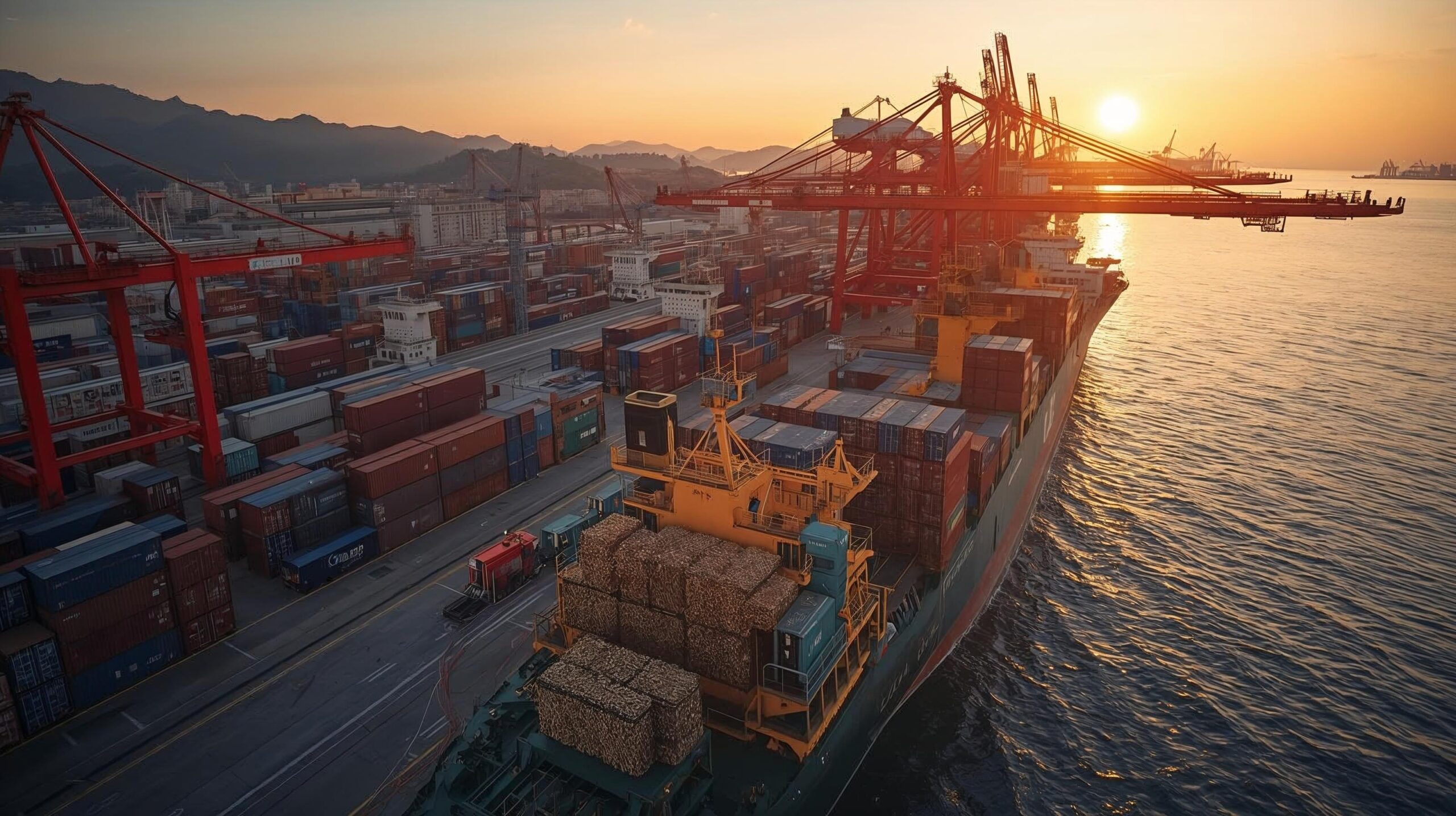
In the global biomass trade, reliability is everything. Buyers in Japan, South Korea, and the Middle East demand not only consistent product quality but also a smooth, predictable supply chain. That’s why logistics, from packaging and storage to shipping and delivery, plays a central role in the wood pellet export business.
For importers sourcing from Indonesian wood pellet suppliers, understanding how logistics are managed helps ensure confidence in the product’s quality, sustainability, and timely arrival. This article explores the key elements behind successful export logistics and why Indonesia has a growing reputation as a dependable biomass hub.
Why Logistics Matter in the Wood Pellet Industry
Wood pellets are a high-volume, low-margin commodity. Small inefficiencies in shipping or storage can lead to increased costs, contamination, or quality degradation. A single container of wood pellets, for example, can lose its calorific value if exposed to moisture during transit.
In B2B markets, buyers rely on consistent deliveries, often under long-term contracts, to fuel power plants, district heating systems, or industrial boilers. Therefore, Indonesian wood pellet exporters must combine efficient supply chain management with precise documentation and careful material handling.
Well-managed logistics not only ensure on-time delivery but also protect the integrity and energy performance of every pellet shipped overseas.
Step 1: Storage — Keeping Pellets Dry and Stable
The Importance of Storage Conditions
Wood pellets are hygroscopic, meaning they absorb moisture from the air. This makes proper storage a critical step before export. High humidity can increase moisture content, leading to lower combustion efficiency or even mold growth.
Reputable Indonesian wood pellet suppliers use controlled warehouse environments designed for tropical climates. Key features include:
- Ventilated storage spaces to prevent heat and humidity buildup.
- Moisture-proof flooring and raised pallets to keep pellets off damp surfaces.
- Hygrometric monitoring systems to maintain optimal humidity levels.
Some exporters also store pellets in silo systems, which allow for automated loading and minimize manual handling — reducing dust, waste, and contamination risks.
Inventory Management
Efficient warehouse operations track batches by production date, ensuring first-in, first-out (FIFO) systems are used to maintain freshness and uniform quality. This level of organization builds buyer confidence, especially for long-term contracts.
Step 2: Packaging — Protecting Pellets During Transit
Packaging is not just about presentation — it’s about protection and efficiency. During export, wood pellets travel long distances and pass through multiple climate zones. Packaging must guard against moisture, compression, and contamination.
Common Export Packaging Options
- Bulk Cargo (for high-volume buyers)
- Used for shipments above 5,000 tons, typically loaded directly into vessel holds.
- Cost-effective for large power plants and industrial customers.
- Requires specialized handling at both loading and receiving ports.
- Jumbo Bags (1-ton bags)
- The most popular option for international trade.
- Made from woven polypropylene, lined with moisture barriers.
- Easy to load, unload, and store that is ideal for medium-scale importers.
- Small Bags (10–20 kg)
- Used mainly for retail or household applications.
- Usually palletized and wrapped in shrink film for protection.
Leading Indonesian wood pellet suppliers often customize packaging based on client needs, labeling each bag with production data, calorific value, and certification details (such as FSC or ENplus).
Step 3: Shipping — Routes, Ports, and Transport Options
Indonesia’s vast archipelago offers multiple strategic export gateways, making it an ideal hub for shipping biomass across the Asia Pacific and Middle East.
Major Export Ports
- Surabaya (Tanjung Perak Port) – Key gateway for shipments to Japan and Korea.
- Belawan (Medan) – Serves markets in South Asia and the Middle East.
- Semarang & Makassar – Handle regional distribution within ASEAN.
Transit Times (Approximate)
- Japan: 7–10 days
- South Korea: 6–8 days
- UAE/Saudi Arabia: 14–18 days
- China: 5–7 days
Containerized vs Bulk Shipping
- Containerized shipping (20 or 40 ft containers) is ideal for small to medium buyers. It ensures traceability and minimal product exposure.
- Bulk vessel shipping is preferred by large-scale energy companies. It offers cost efficiency per ton but requires specialized port facilities for loading and unloading.
Experienced Indonesian wood pellet exporters coordinate with international freight forwarders to secure the best routes, rates, and timelines for each client’s needs.
Step 4: Documentation and Compliance
Proper export documentation ensures customs clearance and smooth delivery at the destination port. A reliable Indonesian wood pellet supplier typically provides the following:
- Commercial Invoice & Packing List
- Bill of Lading (B/L)
- Certificate of Origin (COO)
- Fumigation Certificate (if required)
- Laboratory Analysis Report
- SVLK (Timber Legality) Certificate
- Export Declaration (PEB)
For importers in Japan and Korea, sustainability documentation is also essential. These countries often require traceability reports to verify that the pellets come from legally and responsibly managed forests.
Step 5: Ensuring Quality Upon Arrival
A good logistics partner doesn’t stop at shipping and they ensure quality through to the buyer’s doorstep. Upon arrival, importers or their agents typically inspect:
- Pellet integrity (no breakage or crumbling)
- Moisture levels (must remain below 10%)
- Packaging condition (no condensation or tears)
Suppliers like Bioterra Renewables work closely with third-party inspection agencies (e.g., SGS, Intertek) to certify every shipment before loading, guaranteeing that quality remains consistent from origin to destination.
Step 6: Building Logistics Confidence with Indonesian Suppliers
What sets Indonesian wood pellet suppliers apart is not just their raw material quality, but their integrated export logistics. Many producers now manage end-to-end logistics pipelines, including:
- In-house port handling and loading teams
- Real-time shipment tracking
- Dedicated export documentation departments
- Partnerships with global logistics firms
This integrated model minimizes handovers, reduces risks, and ensures transparency which global B2B buyers value highly when managing large-scale biomass imports.
Best Practices for Importers
To ensure smooth collaboration and logistics reliability:
- Inspect supplier facilities ideally in person or through a verified partner.
- Request photos/videos of loading and packaging before shipment.
- Verify export track records (number of containers shipped, destination countries).
- Confirm insurance coverage for goods in transit.
- Align incoterms (FOB, CIF, or CFR) based on risk and responsibility preference.
By working closely with reputable suppliers, buyers can avoid costly logistical issues and secure a continuous, high-quality biomass supply chain.
Indonesia’s Strategic Advantage in Biomass Export
Indonesia’s strength lies in combining abundant renewable resources with efficient export logistics. Its proximity to major importers in Asia Pacific and growing access to Middle Eastern markets make it a natural hub for biomass trade.
As Indonesian wood pellet suppliers invest further in automation, storage, and shipping infrastructure, their reliability continues to rise — making the country an increasingly preferred sourcing partner for global renewable energy buyers.
Conclusion
Logistics are the lifeline of the wood pellet export business. From carefully controlled storage and protective packaging to efficient shipping routes and documentation, each step ensures that Indonesian wood pellets arrive in perfect condition, ready to power industries worldwide.
With a blend of sustainability, quality assurance, and logistics expertise, Indonesia is positioning itself as a long-term partner for the world’s clean energy transition.
Want to learn more about our export logistics process?
- Is Binchotan Worth the Cost? A Buyer’s Perspective
- Wood Chips Supply Chain from Indonesia: Sourcing, Drying, and Transport
- Handling and Storage Best Practices for Exporting Charcoal Products
- Wood Pellets for Industrial Boilers: Performance Factors Beyond Certification
- Coconut Shell Charcoal for Shisha and BBQ: Key Differences Buyers Should Know

0 Comments