
Introduction
When sourcing wood pellets for industrial boilers, many buyers initially focus on certification labels. While certifications play a role in compliance, experienced industrial operators know that boiler performance depends on far more than logos on paper.
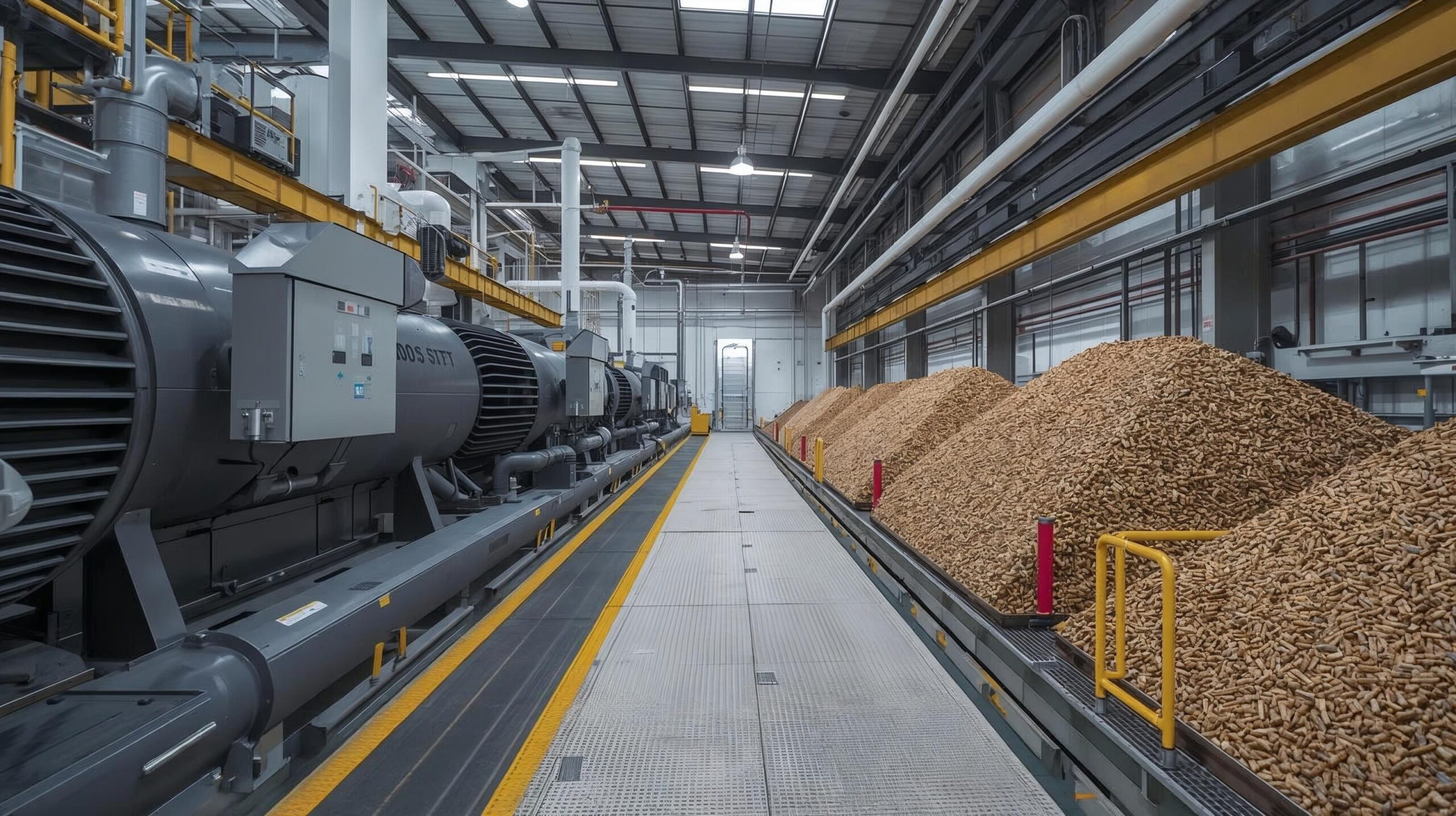
Industrial boilers operate under continuous load, tight efficiency targets, and strict uptime requirements. This article explains the performance factors that matter most when using wood pellets in industrial boilers—and why understanding these variables is essential for procurement teams, engineers, and plant managers.
Why Certification Alone Does Not Guarantee Performance
Certifications provide baseline assurance, but they do not account for how pellets behave inside a specific boiler system. Industrial boilers vary in combustion design, feeding mechanisms, and ash handling capabilities.
Buyers who rely only on certification often encounter:
- Unexpected ash buildup
- Slagging or clinker formation
- Feed system blockages
Performance depends on how pellet characteristics align with boiler design—not on certification status alone.
Calorific Value and Energy Output Stability
Industrial users prioritize stable calorific value over peak energy numbers. A pellet with slightly lower energy content but consistent output allows boilers to operate smoothly without constant recalibration.
Fluctuations in calorific value can force operators to adjust feed rates frequently, increasing wear on mechanical components and reducing overall efficiency.
Reliable suppliers provide batch-consistent pellets supported by test data, allowing engineers to plan fuel input accurately.
Moisture Content and Combustion Control
Moisture content directly affects ignition, combustion efficiency, and heat transfer. Pellets with elevated moisture levels reduce net usable energy and increase fuel consumption.
For industrial boilers, moisture consistency is as important as low moisture itself. Sudden changes in moisture content disrupt combustion stability and can trigger alarms or shutdowns in automated systems.
Ash Content and Ash Behavior Matter More Than Quantity
Low ash content is important, but ash behavior is equally critical. Some pellets produce ash that melts or sinters at boiler operating temperatures, leading to clinker formation and unplanned maintenance.
Industrial buyers evaluate:
- Ash melting temperature
- Ash volume per operating hour
- Ease of ash removal
Understanding ash behavior helps prevent downtime and protects boiler internals.
Pellet Durability and Feeding Reliability
Industrial boilers rely on automated feeding systems that require pellets with sufficient mechanical durability. Fragile pellets generate fines and dust, which can clog feed screws and increase fire risk.
High-durability pellets maintain structural integrity from storage silo to combustion chamber, ensuring stable fuel flow and predictable burn rates.
👉 Internal link: The Logistics of Exporting Wood Pellets
Sizing Consistency and Flow Characteristics
Uniform pellet diameter and length support consistent feeding and combustion. Oversized or broken pellets disrupt fuel flow and create uneven heat zones inside the boiler.
Industrial buyers often specify strict size tolerances—not for aesthetics, but for mechanical reliability and combustion control.
Matching Pellets to Boiler Design
The most successful biomass installations match pellet specifications to boiler design. Fluidized bed boilers, moving grate systems, and fixed grate boilers all respond differently to pellet properties.
Buyers who involve technical teams early in procurement decisions reduce risk and avoid costly post-installation adjustments.
Why Indonesian Wood Pellets Are Used in Industrial Applications
Indonesia supplies non-ENplus wood pellets that meet industrial requirements when properly specified. SVLK verification ensures legal sourcing, while experienced producers focus on performance parameters rather than consumer-grade standards.
For many industrial boilers, these pellets deliver reliable performance without unnecessary certification costs.
Conclusion
Selecting wood pellets for industrial boilers requires a performance-first mindset. Certification provides reassurance, but real-world results depend on calorific stability, moisture consistency, ash behavior, and mechanical durability.
Buyers who evaluate pellets holistically achieve better efficiency, lower maintenance costs, and more reliable boiler operation.
If your facility is evaluating wood pellets for industrial boiler applications, our team can help you match pellet specifications to your system requirements.
- Is Binchotan Worth the Cost? A Buyer’s Perspective
- Wood Chips Supply Chain from Indonesia: Sourcing, Drying, and Transport
- Handling and Storage Best Practices for Exporting Charcoal Products
- Wood Pellets for Industrial Boilers: Performance Factors Beyond Certification
- Coconut Shell Charcoal for Shisha and BBQ: Key Differences Buyers Should Know



0 Comments