
Introduction
Among all charcoal products traded internationally, binchotan charcoal occupies the highest price tier. For buyers unfamiliar with its performance characteristics, the cost can appear difficult to justify—especially when compared to hardwood lump charcoal or premium briquettes.
However, professional buyers do not evaluate binchotan based on price alone. They assess whether its performance, durability, and end-user value justify the investment. This article examines binchotan from a buyer’s perspective, explaining when it makes commercial sense—and when it does not.
What Buyers Are Really Paying for with Binchotan
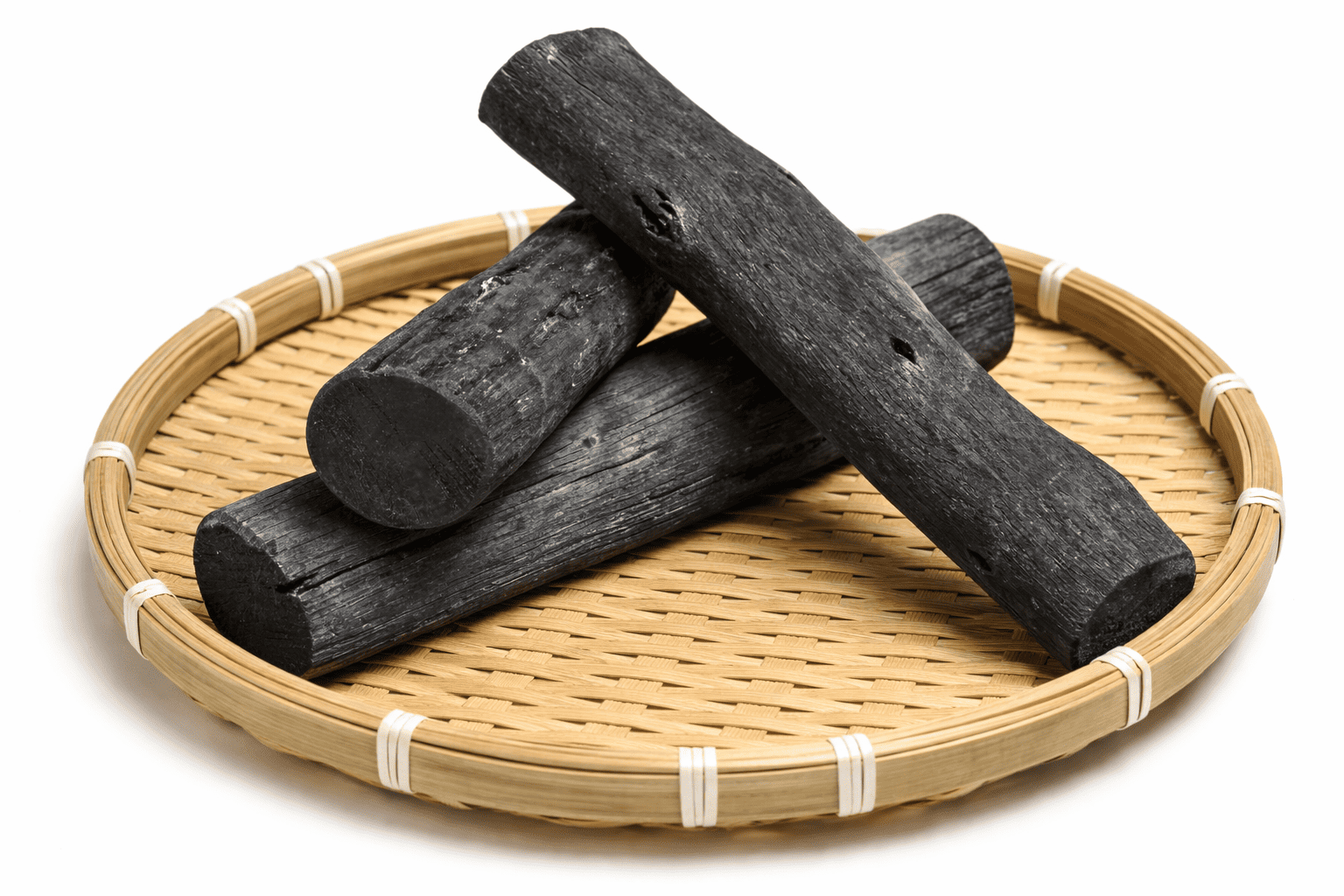
Binchotan is not simply “better charcoal.” It is a specialized fuel produced through extended high-temperature carbonization, resulting in an extremely dense, low-volatile structure.
From a buyer’s standpoint, the cost reflects:
- Longer production time
- Higher fuel density
- Reduced impurities and smoke output
- Predictable performance over extended use
These characteristics are valuable only when end users can fully utilize them.
Performance Value vs Functional Necessity
Binchotan delivers steady radiant heat for long periods with minimal ash and almost no odor. For professional kitchens focused on precision cooking, this performance reduces operational friction.
However, buyers must ask an important question:
Does the end user require this level of control?
For casual grilling or high-volume commercial service, binchotan’s advantages may exceed practical needs. In these cases, lower-cost alternatives often provide better value.
Where Binchotan Makes Commercial Sense
Binchotan proves its worth in environments where performance consistency is non-negotiable, such as:
- Japanese and Korean restaurants
- Yakitori and yakiniku concepts
- High-end open-grill kitchens
- Culinary institutions emphasizing technique
In these settings, fuel consistency directly impacts cooking precision, service flow, and brand reputation.
Cost Evaluation from the Buyer’s Lens
Experienced buyers evaluate binchotan using cost per service hour, not cost per kilogram. Because binchotan burns longer and requires fewer reloads, total fuel usage can be lower than expected.
Buyers also consider:
- Reduced grill cleaning time
- Lower ventilation maintenance
- Fewer service interruptions
When measured this way, binchotan’s premium pricing often aligns with its operational value.
Supply Risk and Consistency Considerations
One risk buyers face is inconsistency across suppliers. Not all products labeled “binchotan” meet professional standards. Variations in carbonization temperature, raw material, and handling can affect performance dramatically.
Smart buyers mitigate risk by:
- Requesting samples from multiple batches
- Evaluating burn behavior, not appearance
- Working with export-experienced suppliers
Is Indonesian Binchotan a Viable Option?
Indonesia has emerged as a competitive source of binchotan-style charcoal suitable for export markets. While it differs from traditional Japanese production, Indonesian suppliers can meet performance expectations when specifications are clearly defined.
For buyers focused on functionality rather than origin prestige, Indonesian binchotan offers a balanced option between performance and cost.
When Binchotan Is Not the Right Choice
Binchotan is not universally appropriate. Buyers serving:
- Casual BBQ markets
- High-volume catering
- Price-sensitive retail segments
often achieve better results with hardwood lump charcoal or premium briquettes. Using binchotan in these contexts can increase cost without delivering proportional value.
Conclusion
So, is binchotan worth the cost?
From a buyer’s perspective, the answer depends entirely on application.
Binchotan delivers exceptional performance where precision, consistency, and culinary control matter. When those factors drive customer experience, the premium is justified. When they do not, binchotan becomes an unnecessary expense.
The smartest buyers choose binchotan deliberately—not aspirationally.
If you are evaluating binchotan charcoal for restaurants or specialty distribution, our team can help assess whether it fits your market and sourcing strategy.
- Is Binchotan Worth the Cost? A Buyer’s Perspective
- Wood Chips Supply Chain from Indonesia: Sourcing, Drying, and Transport
- Handling and Storage Best Practices for Exporting Charcoal Products
- Wood Pellets for Industrial Boilers: Performance Factors Beyond Certification
- Coconut Shell Charcoal for Shisha and BBQ: Key Differences Buyers Should Know


0 Comments