
Introduction
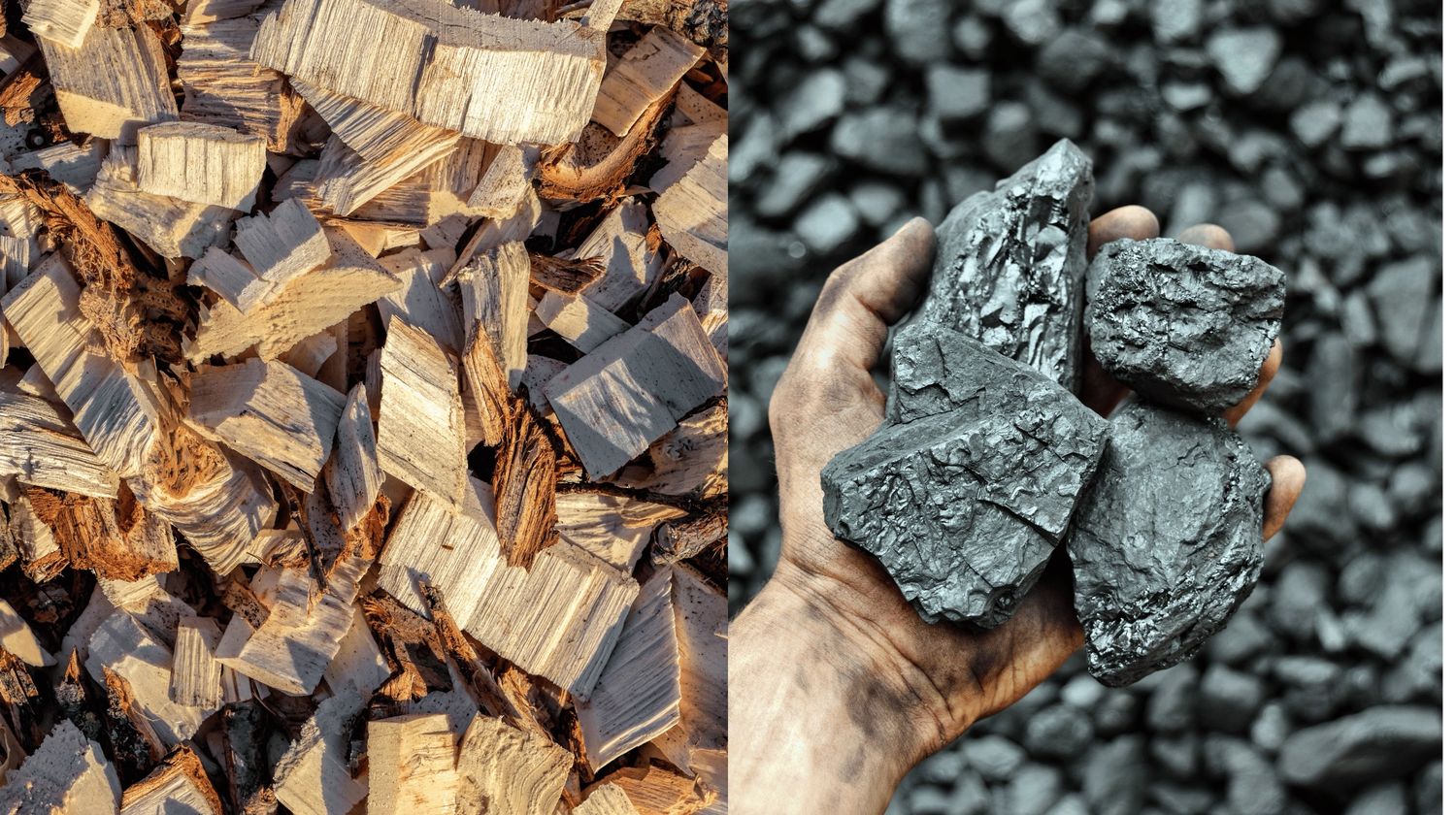
Industries worldwide evaluate alternatives to coal to meet emissions targets and energy security. Wood chips are a leading biomass option. This article weighs total cost of ownership (TCO) vs coal, practical installation tips, and regulatory advantages for buyers in Turkey, Middle East, Africa, and Oceania.
Key comparison points
- Fuel cost & TCO
Coal may be cheaper per ton, but biomass can be competitive on a per-energy basis once carbon pricing, emissions controls, and O&M are considered. Include boiler conversion costs in ROI. - Calorific value & moisture
High-quality wood chips from Bioterra can reach calorific values up to 7,500 kcal/kg and moisture max 6% (dried). Low moisture improves combustion efficiency and reduces transport cost per energy unit. - Emissions & compliance
Biomass emits lower net CO₂ when sustainably sourced and may qualify for renewable incentives. Review local emissions limits — biomass can simplify compliance. - Handling & retrofitting
Conversion of existing burners may be straightforward; however, feed systems differ (chips vs coal). Plan for silos, conveyors, and ash handling reconfiguration. - Supply security & price volatility
Diversify suppliers; Indonesia’s production scale can offer stable supply contracts for regional buyers.
Case example & ROI
Use 1,000 t/month demand: calculate fuel cost per GJ for coal vs wood chips considering calorific differences and ash handling. (Include sample calculation on site with actual supplier quotes.)
Why buy from Bioterra
Bioterra’s wood chips are manufactured with controlled moisture and high calorific value (7,500 kcal/kg), and their operations emphasize steady supply and sustainable by-product utilization.
Request technical comparison
- Is Binchotan Worth the Cost? A Buyer’s Perspective
- Wood Chips Supply Chain from Indonesia: Sourcing, Drying, and Transport
- Handling and Storage Best Practices for Exporting Charcoal Products
- Wood Pellets for Industrial Boilers: Performance Factors Beyond Certification
- Coconut Shell Charcoal for Shisha and BBQ: Key Differences Buyers Should Know



0 Comments