
Introduction
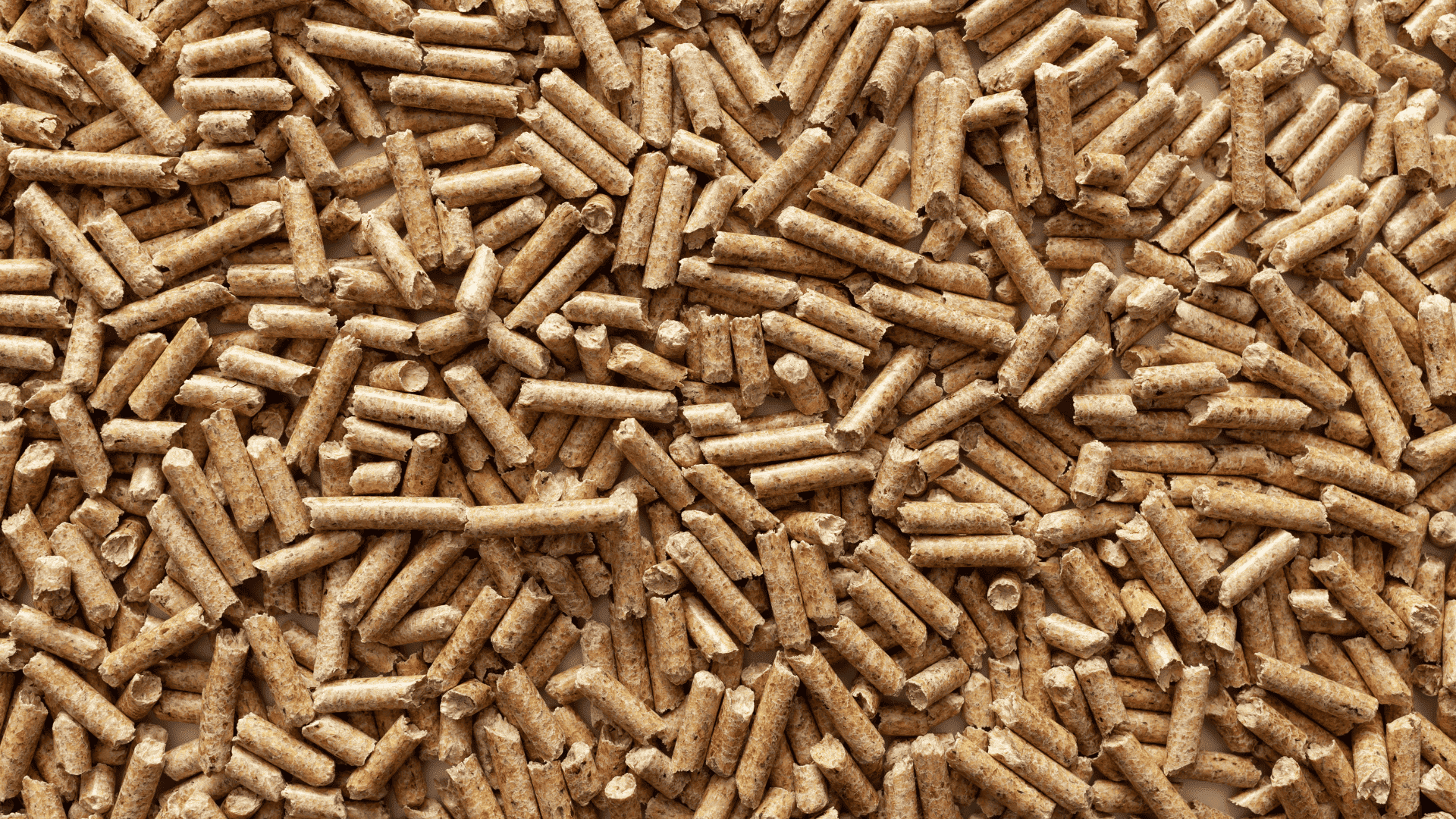
In industrial energy markets, non-ENplus wood pellets play a far more important role than many new buyers realize. While ENplus certification dominates residential heating discussions, power plants and industrial boiler operators focus on a different set of priorities—performance, volume reliability, and regulatory acceptance rather than consumer-facing labels.
For buyers sourcing from Indonesia and other biomass-exporting regions, understanding what power plants and boilers actually require helps avoid unnecessary certification costs, sourcing delays, and supplier misalignment. This article explains how industrial buyers evaluate non-ENplus wood pellets and what truly matters in large-scale energy applications.
Why ENplus Certification Is Not Always Relevant for Industry
ENplus certification was designed primarily for residential heating markets, where consumer safety, appliance compatibility, and branding play major roles. Industrial boilers and power plants operate under different conditions and regulatory frameworks.
In most industrial settings, buyers do not require ENplus certification because:
- Pellets are consumed in controlled, professional environments
- Equipment is engineered to handle a wider fuel specification range
- Compliance focuses on emissions reporting and fuel legality, not retail standards
As a result, non-ENplus wood pellets are widely accepted across industrial markets, provided technical specifications and documentation meet local regulatory requirements.
What Power Plants Actually Evaluate in Wood Pellets
Industrial buyers assess wood pellets based on measurable performance indicators rather than labels. Moisture content, ash behavior, and calorific consistency directly affect boiler efficiency and maintenance cycles.
Most power plants require pellets with stable moisture levels—typically below 12%—to ensure predictable combustion and avoid energy losses. Ash content is closely monitored because excessive ash leads to slagging, increased cleaning frequency, and higher downtime costs.
Unlike residential users, industrial operators prioritize consistency across shipments. A pellet that performs well once but varies over time creates operational risk, even if it carries recognized certification.
Boiler Compatibility and Fuel Handling Systems
Another critical factor is compatibility with existing fuel handling systems. Industrial boilers rely on automated feeding, storage silos, and conveyor systems designed around specific pellet characteristics.
Non-ENplus wood pellets can be optimized for industrial systems by focusing on:
- Mechanical durability to reduce fines
- Uniform pellet length to prevent feed blockages
- Bulk handling efficiency for storage and transport
Buyers evaluate whether suppliers understand these operational realities—not just pellet production itself.
Compliance, Legality, and Documentation
For industrial imports, legal compliance often outweighs voluntary certification. In many markets, buyers require proof that wood pellets are sourced legally and responsibly.
Indonesian exporters typically rely on SVLK documentation to demonstrate legal timber sourcing. Combined with standard export documents—commercial invoice, packing list, and bill of lading—this satisfies the compliance requirements of many industrial buyers.
Buyers working with experienced exporters reduce the risk of customs delays and regulatory challenges.
Supply Volume and Contract Stability Matter More Than Branding
Industrial energy buyers think in terms of months and years, not containers and spot orders. Power plants and boiler operators require predictable volume supply to support continuous operations.
Suppliers who can commit to long-term contracts, stable production output, and consistent shipping schedules gain a significant advantage. Branding and packaging play minimal roles compared to supply reliability and performance predictability.
This is where non-ENplus wood pellets often outperform residential-grade alternatives in industrial contexts.
Why Indonesian Non-ENplus Pellets Are Competitive
Indonesia’s strength lies in its ability to supply industrial-grade pellets at scale. Access to wood residues, established export infrastructure, and experience with international buyers make Indonesian suppliers attractive partners for power plants and industrial boilers.
When combined with transparent specifications and realistic lead times, non-ENplus wood pellets from Indonesia meet industrial requirements without unnecessary certification overhead.
Conclusion
Non-ENplus wood pellets are not a compromise—they are often the most practical solution for power plants and industrial boilers. By focusing on performance, consistency, and supply reliability rather than consumer certification, industrial buyers can secure fuel that meets both operational and regulatory needs.
Understanding what actually matters allows buyers to source smarter, reduce costs, and minimize operational risk.
Call to Action
If your facility is sourcing non-ENplus wood pellets for power plants or industrial boilers, our team can support you with technical specifications, documentation, and long-term supply planning from Indonesia.
- Is Binchotan Worth the Cost? A Buyer’s Perspective
- Wood Chips Supply Chain from Indonesia: Sourcing, Drying, and Transport
- Handling and Storage Best Practices for Exporting Charcoal Products
- Wood Pellets for Industrial Boilers: Performance Factors Beyond Certification
- Coconut Shell Charcoal for Shisha and BBQ: Key Differences Buyers Should Know



0 Comments