
Introduction
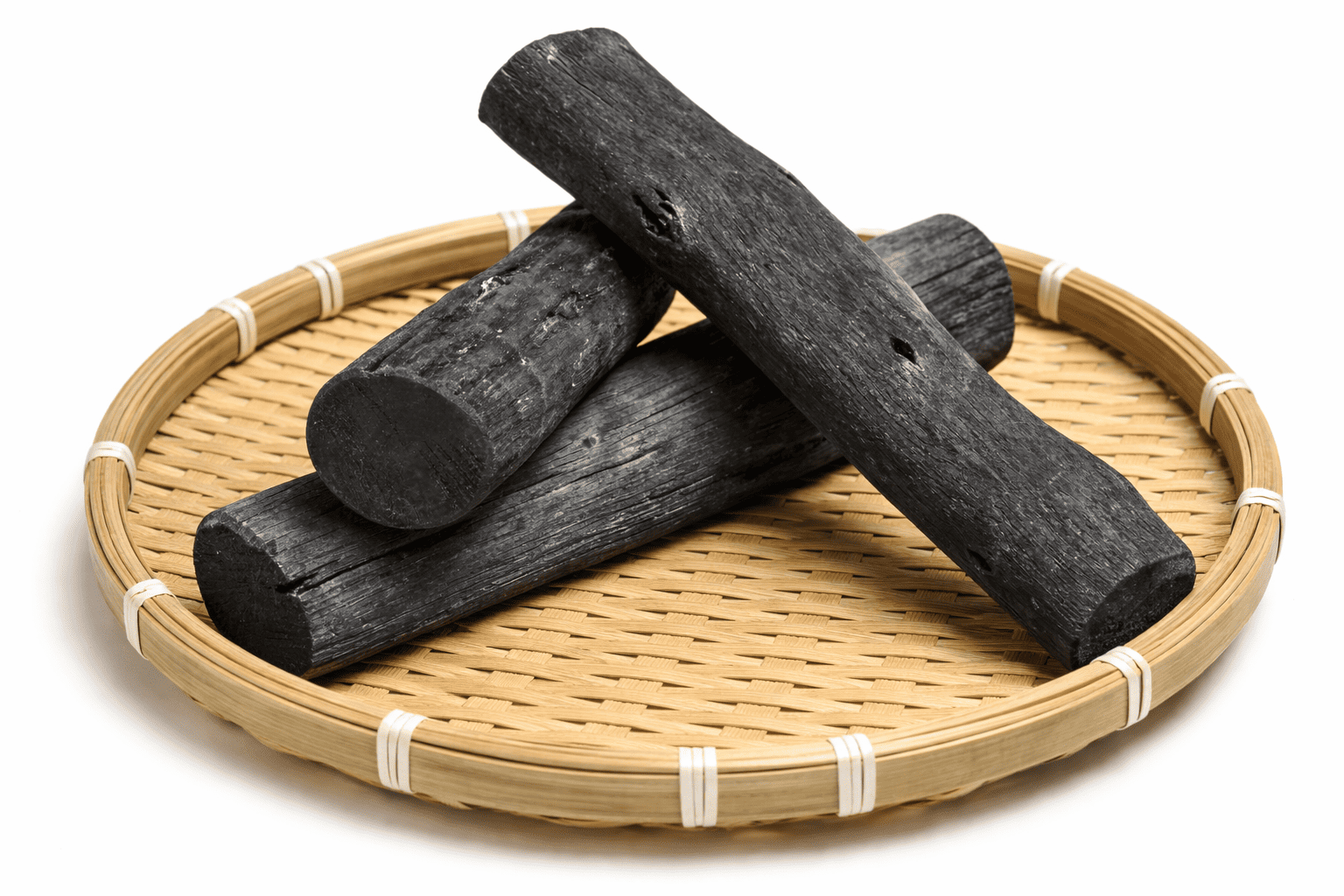
Binchotan charcoal for restaurants occupies a unique position in the global charcoal market. Unlike standard BBQ fuels, binchotan is selected not for convenience or price, but for precision, consistency, and culinary performance. For professional kitchens, charcoal is not just fuel—it is a cooking tool that directly influences flavor, workflow, and service reliability.
As demand grows in Japan, Korea, high-end Asian restaurants, and premium grill concepts worldwide, buyers are becoming increasingly selective. This article explains how restaurants and foodservice distributors evaluate binchotan charcoal, what performance standards they expect, and how professional buyers assess suppliers before committing to long-term supply.
What Makes Binchotan Different from Regular Charcoal
Binchotan is traditionally produced using slow carbonization at extremely high temperatures. This process creates a dense, almost metallic charcoal with minimal volatile compounds. The result is a fuel that burns cleanly, produces very little smoke, and delivers stable radiant heat over long cooking periods.
For restaurants, these characteristics are not optional—they are essential. Excess smoke interferes with kitchen ventilation, inconsistent heat disrupts cooking timing, and high ash levels increase cleaning downtime. Binchotan’s physical structure directly addresses these operational pain points.
Performance Expectations in Professional Kitchens
Professional kitchens evaluate binchotan charcoal based on performance under continuous use. Unlike home grilling, restaurant service requires fuel that performs predictably for hours at a time.
Restaurants typically expect binchotan to:
- Maintain steady heat without frequent refueling
- Ignite reliably without chemical starters
- Produce minimal ash during extended service
Chefs value binchotan’s ability to deliver intense radiant heat while preserving ingredient flavor. This is particularly important for yakitori, yakiniku, and charcoal-grilled seafood, where temperature control and clean combustion directly affect taste.
Consistency Matters More Than Peak Performance
For foodservice buyers, consistency outweighs peak performance. A single shipment of excellent binchotan followed by inconsistent quality creates operational chaos. Grill timing changes, cooking temperatures fluctuate, and staff must constantly adjust techniques.
This is why restaurant groups and distributors favor suppliers who demonstrate repeatable production methods and strict quality control. Buyers often test multiple shipments before approving a supplier for ongoing service use.
Consistency across batches builds confidence, allowing kitchens to standardize cooking processes and training.
Sizing, Shape, and Handling Requirements
Uniform size is another critical evaluation factor. Binchotan that varies widely in diameter or length burns unevenly and complicates grill layout. Professional buyers typically specify size ranges to ensure predictable airflow and heat distribution.
Handling durability also matters. Excessive breakage during transport leads to unusable fragments and fines, which are unsuitable for professional grills. Suppliers who understand foodservice requirements focus on packaging and loading methods that protect charcoal integrity during export.
Sourcing, Authenticity, and Buyer Trust
The binchotan market includes a wide range of products labeled under the same name, but not all meet professional standards. Buyers increasingly scrutinize production origin, carbonization method, and material source to verify authenticity.
For importers and distributors, transparency builds trust. Clear documentation, product samples, and technical explanations help buyers distinguish true binchotan-grade charcoal from generic high-carbon alternatives.
Pricing Considerations in Foodservice Markets
Binchotan charcoal commands a higher price than standard charcoal, but professional buyers evaluate cost in relation to performance and longevity. A charcoal that lasts longer and requires fewer reloads can reduce overall fuel consumption during service.
Restaurants assess cost per service hour rather than cost per kilogram. When evaluated this way, high-quality binchotan often proves economically viable despite higher upfront pricing.
Why Indonesian Binchotan Appeals to International Buyers
Indonesia has developed a growing reputation for supplying binchotan-style charcoal suitable for export markets. Access to suitable raw materials, combined with export-ready packaging and logistics experience, makes Indonesian suppliers attractive to distributors serving Asia-Pacific, Middle Eastern, and Western markets.
Suppliers who understand restaurant expectations and communicate clearly about specifications tend to build long-term partnerships rather than transactional sales.
Conclusion
Binchotan charcoal for restaurants is a specialized product designed for precision cooking, not mass-market grilling. Professional buyers evaluate it based on heat stability, consistency, durability, and authenticity—factors that directly affect kitchen performance and customer experience.
Restaurants and distributors who choose suppliers carefully gain operational stability and maintain the culinary standards their customers expect.
Call to Action
If you are sourcing binchotan charcoal for restaurants or foodservice distribution, our team can support you with specifications, samples, and export-ready supply from Indonesia.
- Is Binchotan Worth the Cost? A Buyer’s Perspective
- Wood Chips Supply Chain from Indonesia: Sourcing, Drying, and Transport
- Handling and Storage Best Practices for Exporting Charcoal Products
- Wood Pellets for Industrial Boilers: Performance Factors Beyond Certification
- Coconut Shell Charcoal for Shisha and BBQ: Key Differences Buyers Should Know



0 Comments