
Introduction
In premium BBQ operations, fuel choice becomes part of the cooking philosophy. Unlike high-volume foodservice, where efficiency dominates decision-making, premium BBQ concepts evaluate fuel based on heat control, flavor integrity, and overall cooking experience. This is where hardwood lump charcoal continues to stand out.
From artisan BBQ restaurants to competition pitmasters and specialty grill retailers, hardwood lump charcoal is valued for its natural composition and responsive performance. This article explains why professional users choose lump charcoal, how it differs operationally from briquettes, and how buyers evaluate cost versus value.
Why Premium BBQ Requires Greater Heat Responsiveness
Premium BBQ is defined by control, not just temperature. Hardwood lump charcoal responds quickly to airflow adjustments, allowing cooks to raise or lower heat with precision. This responsiveness supports advanced grilling techniques such as:
- Direct-to-indirect heat transitions
- Searing followed by controlled finishing
- Multi-zone grilling on a single firebox
For premium operators, this level of control is difficult to achieve with engineered fuels designed for uniform burn.
Natural Composition and Flavor Integrity
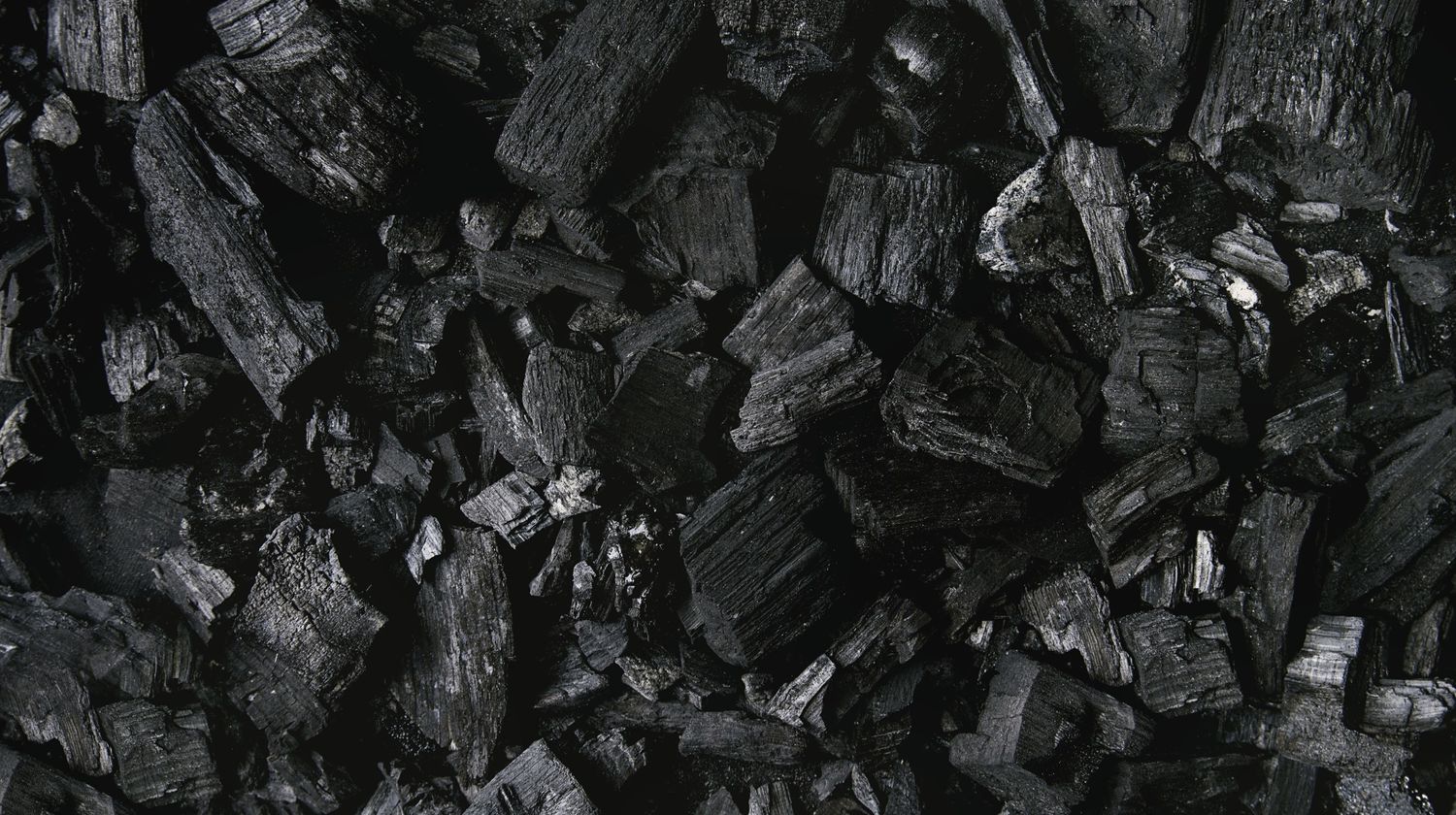
Hardwood lump charcoal is produced by carbonizing natural hardwood without binders or additives. This purity is critical for premium BBQ, where fuel should never interfere with ingredient flavor.
Chefs and pitmasters consistently report that hardwood lump charcoal produces a cleaner smoke profile, allowing meats, rubs, and woods to define flavor rather than masking it with fuel residue. This makes lump charcoal especially popular for:
- Steak houses
- Smoke-driven BBQ concepts
- High-end grilling restaurants
Heat Intensity and Searing Performance
One of the defining advantages of hardwood lump charcoal is its ability to reach higher peak temperatures than most briquettes. This makes it ideal for:
- Steak searing
- Open-flame grilling
- High-temperature cooking zones
Premium BBQ concepts often design their grills around this capability, using lump charcoal to achieve textures and finishes that are difficult to replicate with slower-burning fuels.
Cost Evaluation: Price vs Performance
Hardwood lump charcoal typically carries a higher per-kilogram price than briquettes. However, premium buyers evaluate cost through a different lens.
Instead of cost per ton, they consider:
- Cooking performance per session
- Product differentiation
- Customer perception and experience
For premium restaurants, the ability to market authentic charcoal grilling often justifies the higher fuel cost.
Supply Consistency and Buyer Considerations
The primary challenge with hardwood lump charcoal is variability. Size, shape, and density can differ between batches if quality control is inconsistent. Experienced buyers mitigate this risk by:
- Defining size specifications
- Testing samples before contracting
- Working with export-experienced suppliers
Why Indonesian Hardwood Lump Charcoal Is Gaining Ground
Indonesia offers strong sourcing advantages for hardwood lump charcoal, including access to suitable hardwood species and established export infrastructure. Suppliers with proper quality sorting and packaging can deliver lump charcoal suitable for premium international markets.
Consistency, not volume alone, is what distinguishes reliable suppliers in this segment.
Conclusion
Hardwood lump charcoal remains a cornerstone fuel for premium BBQ because it delivers unmatched heat control, clean flavor, and authentic grilling performance. While it may not suit every commercial environment, it excels where cooking quality and experience matter most.
For buyers serving high-end BBQ markets, lump charcoal is not an expense—it is a product feature.
If you are sourcing hardwood lump charcoal for premium BBQ, restaurants, or specialty retail, our team can support you with export-ready supply from Indonesia.
- Is Binchotan Worth the Cost? A Buyer’s Perspective
- Wood Chips Supply Chain from Indonesia: Sourcing, Drying, and Transport
- Handling and Storage Best Practices for Exporting Charcoal Products
- Wood Pellets for Industrial Boilers: Performance Factors Beyond Certification
- Coconut Shell Charcoal for Shisha and BBQ: Key Differences Buyers Should Know



0 Comments