
Introduction
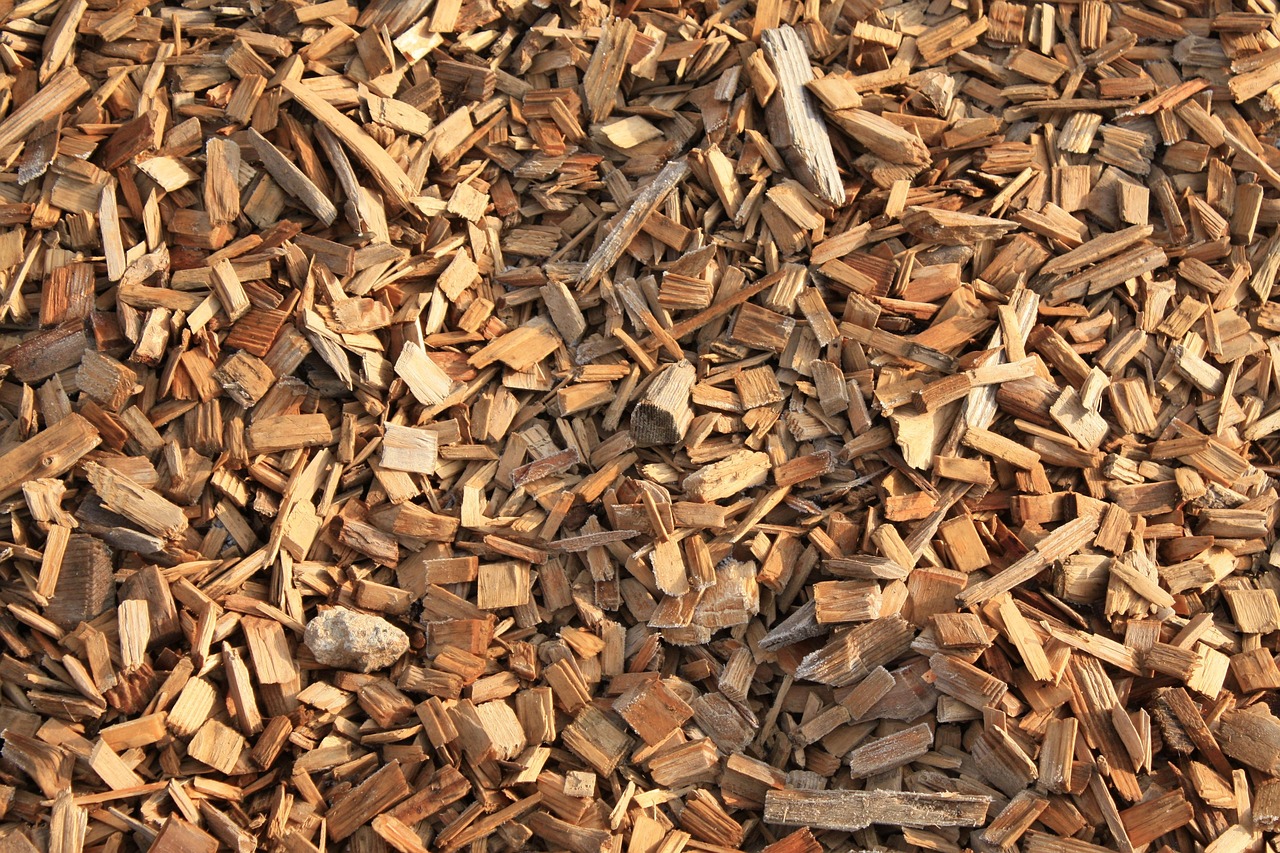
Wood chips for industrial boilers are widely used as a cost-effective biomass fuel in manufacturing plants, district heating systems, and large-scale energy facilities. Compared to other biomass fuels, wood chips offer flexibility in sourcing and pricing, but their performance depends heavily on size uniformity, moisture control, and proper transport handling.
This article explains the key specifications industrial buyers should understand when sourcing wood chips for boiler systems, including sizing standards, moisture requirements, and logistics considerations.
What Are Industrial Wood Chips?
Industrial wood chips are produced by mechanically chipping logs, slabs, or wood residues into uniform pieces suitable for automated feeding systems. Unlike wood pellets, wood chips are less processed and retain a more natural structure.
They are commonly used in:
- Industrial steam boilers
- Biomass heating plants
- Combined heat and power (CHP) systems
👉 Internal link: Wood Chips product page
Size Specifications for Wood Chips in Boilers
Size consistency is critical for efficient boiler operation. Oversized or irregular chips can cause feeding problems and uneven combustion.
Typical industrial wood chip specifications include:
- Length: 10–50 mm
- Thickness: 3–10 mm
- Low fines content to prevent clogging
Boilers are usually designed for specific chip sizes, so buyers should always match fuel specifications to their equipment requirements.
Moisture Levels and Combustion Efficiency
Moisture content has a direct impact on the energy efficiency of wood chips for industrial boilers. High moisture reduces net calorific value and increases fuel consumption.
Common moisture ranges include:
- Green wood chips: 40–55% moisture
- Air-dried wood chips: 20–30% moisture
- Dried industrial chips: ≤20% moisture
Lower moisture wood chips improve combustion stability and reduce emissions, but they may require additional drying or storage control.
Transport and Storage Considerations
Because wood chips have lower bulk density than pellets, transport efficiency is a major consideration. Buyers should evaluate:
- Bulk truck vs containerized shipping
- Load volume limitations
- Risk of moisture absorption during transit
Proper storage is equally important. Wood chips should be kept in dry, ventilated areas to prevent mold growth, self-heating, and degradation.
👉 Internal link: The Logistics of Exporting Wood Pellets (biomass logistics reference)
Wood Chips vs Other Biomass Fuels
Compared to wood pellets and wood briquettes, wood chips offer:
Advantages
- Lower processing cost
- Flexible raw material sourcing
Limitations
- Higher moisture content
- Larger storage space requirements
- Less uniform energy output
Wood chips are best suited for boilers specifically designed to handle variable fuel characteristics.
How Buyers Should Evaluate Wood Chip Suppliers
Before sourcing wood chips for industrial boilers, buyers should assess suppliers based on:
- Chip size control and screening
- Moisture measurement methods
- Consistency of supply volumes
- Transport and loading experience
Requesting sample loads and technical data helps ensure compatibility with boiler systems.
Conclusion
Wood chips for industrial boilers can be an efficient and economical biomass fuel when specifications, moisture levels, and transport logistics are properly managed. Understanding these factors allows industrial buyers to optimize performance and reduce operational risks.
For facilities equipped to handle wood chips, they provide a viable alternative to more processed biomass fuels.
Call to Action
If your operation is evaluating wood chips for industrial boilers, choosing the right specifications is essential.
Contact our team to discuss fuel requirements, moisture targets, and sourcing options from Indonesia.
- Is Binchotan Worth the Cost? A Buyer’s Perspective
- Wood Chips Supply Chain from Indonesia: Sourcing, Drying, and Transport
- Handling and Storage Best Practices for Exporting Charcoal Products
- Wood Pellets for Industrial Boilers: Performance Factors Beyond Certification
- Coconut Shell Charcoal for Shisha and BBQ: Key Differences Buyers Should Know



0 Comments