Introduction
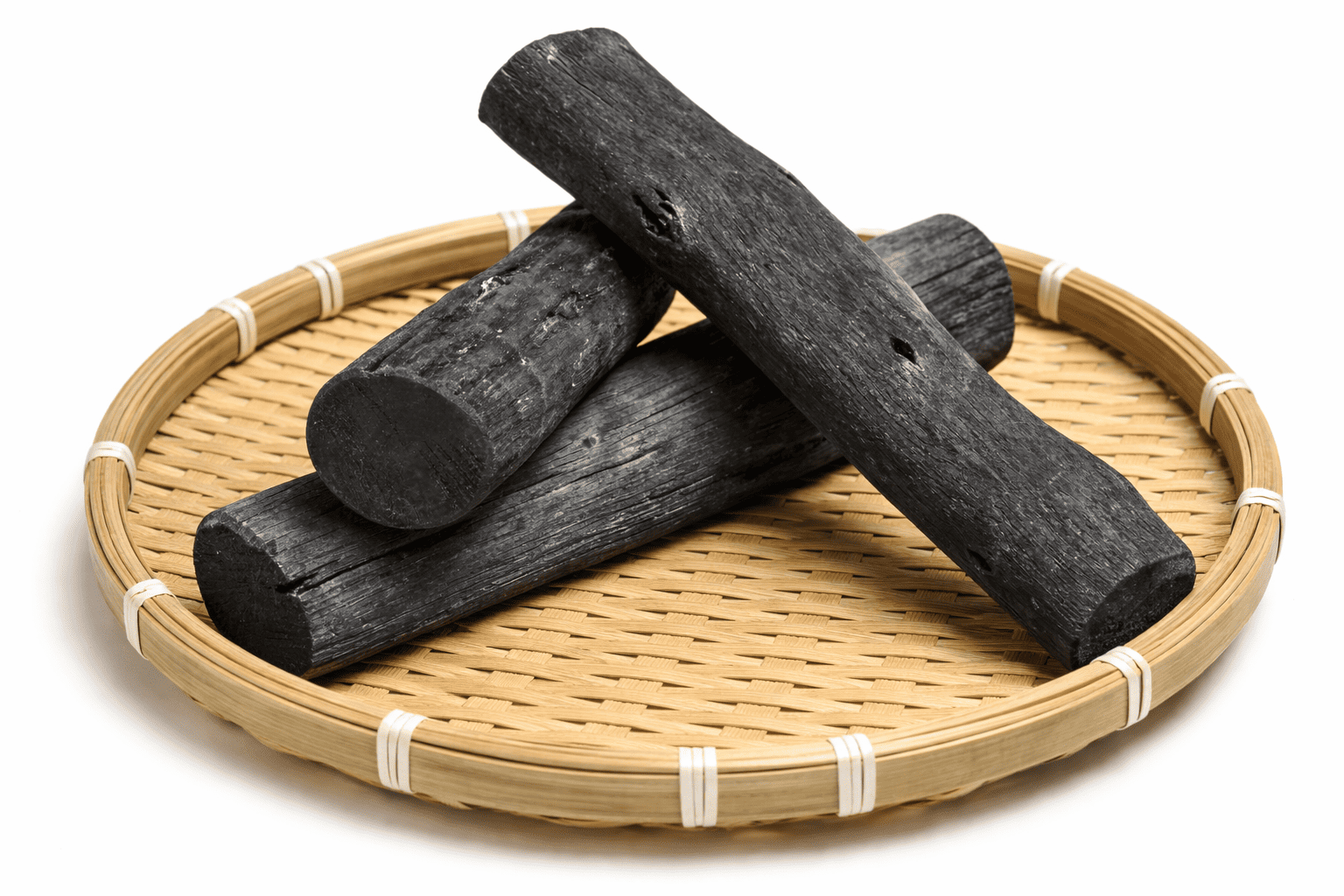
Binchotan charcoal is considered one of the most premium charcoal products in the world. Japanese producers originally developed it, and people recognize it for its exceptionally clean burn, long-lasting heat, and minimal smoke. Manufacturers use a specialized carbonization process to create a dense, high-carbon structure, which sets it apart from regular charcoal.
This article explains what it is, how it differs from standard charcoal products, and why it is highly valued by restaurants, chefs, and specialty markets.
What Is Binchotan Charcoal?
It is traditionally made from hardwood and carbonized at extremely high temperatures over an extended period. This process removes almost all impurities, leaving charcoal with very high fixed carbon content.
Key characteristics of it include:
- Extremely low ash content
- Nearly odorless and smokeless burn
- Very high density and hardness
- Long burn time with stable heat
Because of these properties, binchotan is often used in professional kitchens where flavor purity and heat control are critical.
👉 Internal link: Binchotan Charcoal product page
How It Is Produced
The production of binchotan charcoal differs significantly from regular charcoal. It involves:
- Slow carbonization at low oxygen levels
- Gradual temperature increase over several days
- Final high-temperature firing, sometimes exceeding 1,000°C
- Rapid cooling to lock in carbon structure
This labor-intensive process results in a harder, denser charcoal compared to conventional wood or briquette charcoal.
Binchotan vs Regular Charcoal
It stands apart from regular charcoal in several important ways:
- Burn time: Binchotan lasts significantly longer
- Heat quality: Produces consistent, radiant heat
- Smoke: Virtually smokeless
- Flavor impact: Does not alter food taste
Regular charcoal, including lump and briquettes, may ignite faster and cost less, but they typically produce more ash and smoke.
👉 Internal link: Hardwood Lump Charcoal Explained
Why Chefs and Restaurants Prefer Binchotan
Professional chefs value binchotan charcoal for its performance in high-end grilling applications. It allows precise temperature control and supports clean, natural flavors.
Common uses include:
- Yakitori and robata grilling
- Premium steak and seafood preparation
- Fine-dining open-fire cooking
These advantages make it especially popular in Japan, South Korea, and upscale restaurants worldwide.
👉 Internal link: What Top Restaurants in Japan & Korea Look For
Export Demand for Binchotan Charcoal
Global demand for it continues to grow in markets such as:
- Japan
- South Korea
- Europe
- Australia
Indonesia has become an important supply origin due to its production capability and export experience. Buyers often seek consistent quality, proper sizing, and secure packaging for long-distance shipping.
How Buyers Should Evaluate Binchotan Suppliers
When sourcing binchotan charcoal, buyers should assess suppliers based on:
- Carbonization method and temperature control
- Carbon content and ash levels
- Size uniformity and breakage rate
- Export packaging and moisture protection
Sampling and third-party testing help ensure the product meets premium market expectations.
Conclusion
Binchotan charcoal offers unique performance advantages that set it apart from regular charcoal products. Its clean burn, long-lasting heat, and flavor neutrality make it the preferred choice for professional and premium cooking environments.
Understanding the production process and quality factors allows buyers to source binchotan charcoal with confidence.
Call to Action
If you are sourcing binchotan charcoal for restaurants or premium retail, product consistency and export reliability are essential.
Contact our team to request samples, specifications, and export-ready packaging options from Indonesia.
- Is Binchotan Worth the Cost? A Buyer’s Perspective
- Wood Chips Supply Chain from Indonesia: Sourcing, Drying, and Transport
- Handling and Storage Best Practices for Exporting Charcoal Products
- Wood Pellets for Industrial Boilers: Performance Factors Beyond Certification
- Coconut Shell Charcoal for Shisha and BBQ: Key Differences Buyers Should Know



0 Comments