
Introduction
The decision between wood chips vs pellets in industrial heating systems is not a simple fuel comparison—it is an infrastructure, cost, and operational strategy choice. Many industrial buyers focus only on fuel price per ton, without fully considering how fuel characteristics affect boiler performance, storage requirements, automation, and long-term reliability.
Across Europe, Asia, and Oceania, industrial facilities are increasingly adopting biomass fuels to replace coal or heavy fuel oil. Understanding the practical differences between wood chips and wood pellets helps buyers select the fuel that aligns with their technical capabilities and commercial priorities.
This article explains how industrial buyers evaluate wood chips versus pellets and helps them determine which fuel best suits specific heating systems.
Fundamental Differences Between Wood Chips and Wood Pellets
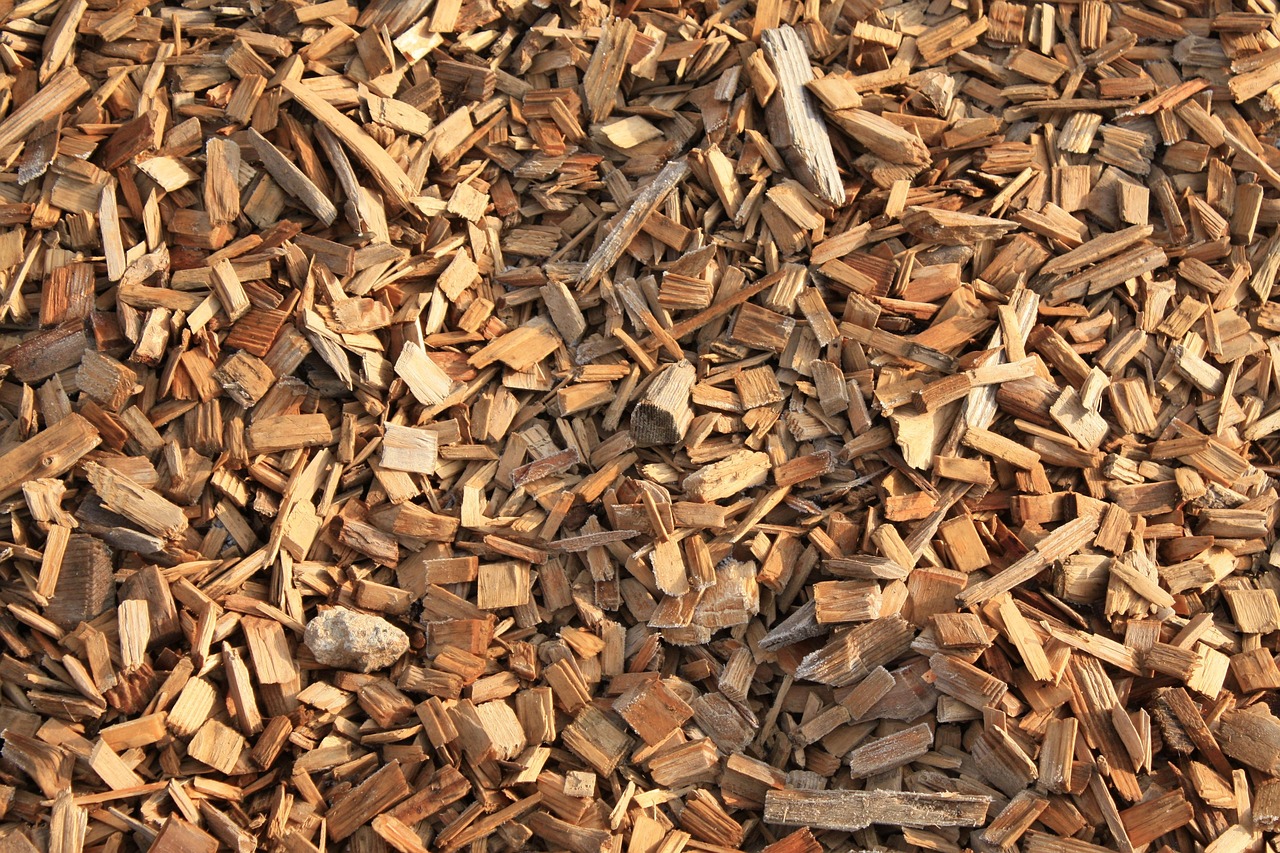
Producers create wood chips by mechanically chipping logs, slabs, or wood residues into irregular pieces. These chips undergo minimal processing and retain natural variation in size and moisture. By contrast, manufacturers produce wood pellets by drying and compressing sawdust, which creates a dense and uniform fuel.
From an industrial perspective, this difference affects every stage of fuel handling—from transport and storage to feeding and combustion. Pellets offer predictability, while wood chips offer flexibility and lower processing costs.
Boiler Design and Fuel Compatibility
Boiler design plays one of the most important roles when buyers choose between wood chips and pellets. Engineers typically design industrial boilers for a specific fuel type, and switching fuels without modifications can cause operational problems.
Pellet boilers rely on automated feeding systems that require consistent size, density, and flow characteristics. Wood chips, with their variable size and moisture, require more robust feeding mechanisms and larger combustion chambers.
Buyers must evaluate whether their existing systems can accommodate fuel variability or whether they require the controlled characteristics of pellets.
Moisture Content and Combustion Efficiency
Moisture content has a direct impact on combustion efficiency and fuel consumption. Wood chips often have moisture levels ranging from 20% to over 50%, depending on sourcing and storage. Higher moisture reduces net energy output and increases fuel volume requirements.
Producers manufacture wood pellets with moisture levels below 12%, which improves combustion efficiency and delivers predictable energy output. For industrial buyers who need stable thermal performance, this consistency often outweighs the higher production cost.
Facilities without drying capability tend to favor pellets to avoid efficiency losses associated with wet fuel.
Storage, Space, and Handling Considerations
Storage requirements differ significantly between the two fuels. Wood chips have lower bulk density, meaning they require more storage space per unit of energy. This can be a limiting factor for facilities with constrained yard space.
Pellets, with their higher density and uniform shape, allow for compact storage in silos or warehouses. They also generate less dust and fines when handled properly, reducing maintenance and safety concerns.
Buyers evaluating wood chips vs pellets must consider not only fuel cost, but also storage infrastructure investment and operational complexity.
Supply Chain Reliability and Fuel Consistency
Industrial heating systems operate continuously, making supply reliability critical. Wood pellets offer higher consistency across shipments, which simplifies combustion tuning and reduces downtime.
Raw material sources, chipping methods, and weather conditions cause wide variation in wood chips. Facilities designed for chips can manage this variability, but plants optimized for stable fuel input face added risk.
Buyers sourcing internationally often prefer pellets for export applications due to easier handling, lower spoilage risk, and predictable quality.
Cost Structure: Looking Beyond Price per Ton
At first glance, wood chips often appear cheaper than pellets on a per-ton basis. However, experienced buyers evaluate cost per unit of usable energy rather than raw weight.
When buyers account for moisture loss, transport efficiency, storage space, and handling labor, pellets can deliver competitive—or even lower—total operating costs for certain facilities.
The correct comparison is not “cheap vs expensive,” but “efficient vs inefficient” within the context of a specific system.
Which Fuel Makes Sense for Your Facility?
There is no universal answer to the wood chips vs pellets debate. Facilities with:
- Large storage areas
- Robust fuel handling systems
- Local chip supply
may benefit from wood chips.
Facilities that prioritize:
- Automation
- Compact storage
- Exported fuel supply
- Predictable performance
often find pellets to be the better option.
Successful buyers align fuel choice with system design rather than forcing systems to adapt to fuel availability.
Conclusion
The choice between wood chips vs pellets in industrial heating systems is ultimately a strategic decision shaped by infrastructure, efficiency goals, and supply chain realities. Buyers who evaluate fuel characteristics holistically—rather than focusing on unit price alone—are better positioned to achieve reliable, cost-effective biomass heating.
Understanding these trade-offs allows industrial operators to make informed, long-term fuel decisions.
Call to Action
If your facility is evaluating wood chips or wood pellets for industrial heating, our team can help you compare fuel specifications, logistics options, and system compatibility based on your operational needs.
- Is Binchotan Worth the Cost? A Buyer’s Perspective
- Wood Chips Supply Chain from Indonesia: Sourcing, Drying, and Transport
- Handling and Storage Best Practices for Exporting Charcoal Products
- Wood Pellets for Industrial Boilers: Performance Factors Beyond Certification
- Coconut Shell Charcoal for Shisha and BBQ: Key Differences Buyers Should Know



0 Comments