
Introduction
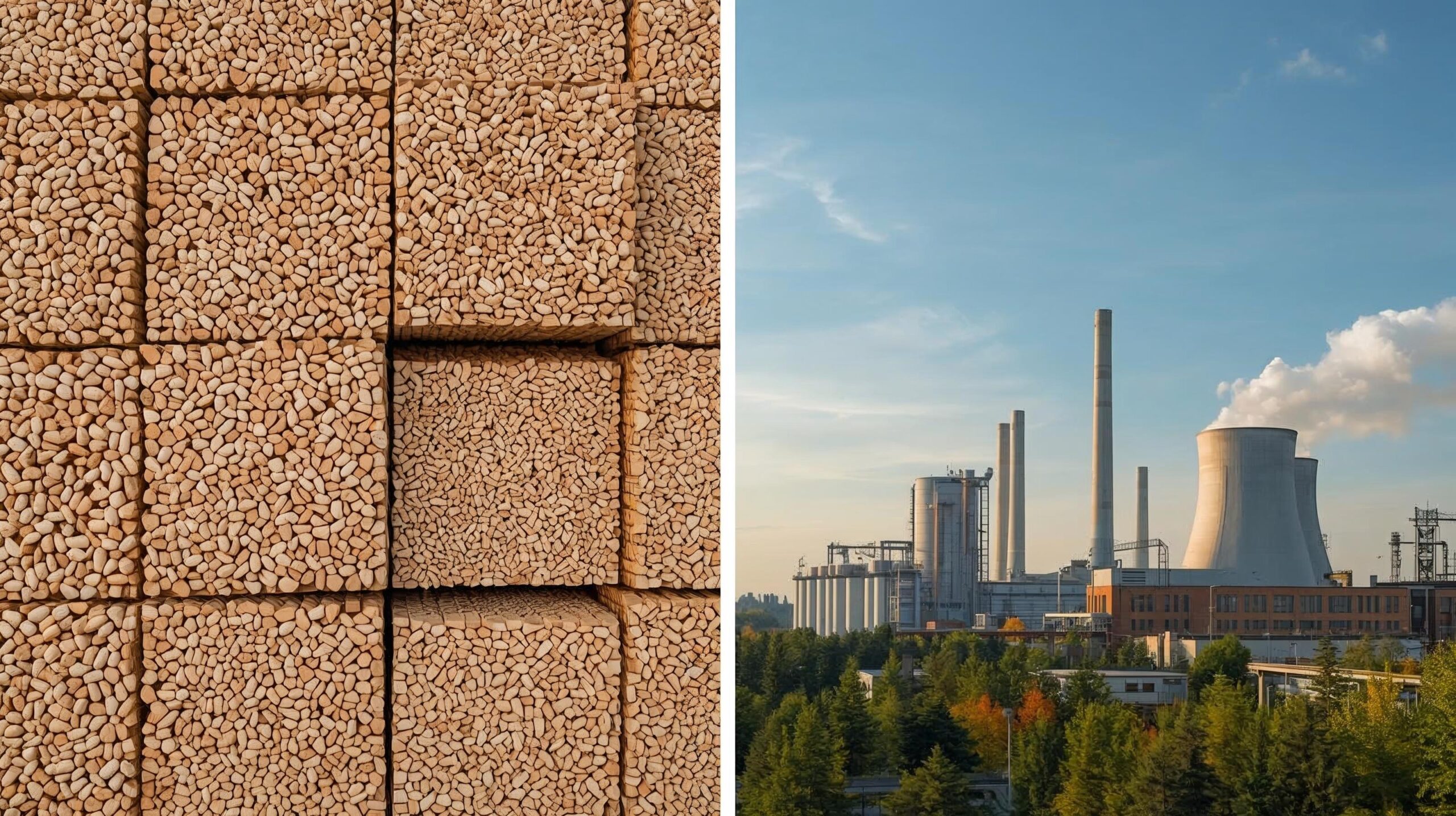
The carbon cycle of wood pellets explains why biomass plays an important role in renewable energy systems. Wood pellets support lower-carbon energy because trees absorb carbon dioxide as they grow. When wood pellets are later used for energy, they release the same carbon back into the atmosphere.
This process differs from fossil fuels. Coal, oil, and gas release carbon that ecosystems cannot quickly reabsorb. The carbon cycle of wood pellets relies on forest regrowth to rebalance emissions, which makes sustainably sourced pellets a more climate-friendly energy option.
What Is the Carbon Cycle of Wood Pellets?
The carbon cycle of wood pellets starts in sustainably managed forests. Trees absorb carbon dioxide from the air through photosynthesis and store it in their wood fibers.
Producers then convert sawdust, wood residues, or low-grade timber into pellets. When users burn these pellets for energy, carbon returns to the atmosphere. Forest regrowth absorbs this carbon again, which completes the cycle and keeps emissions balanced under proper management.
How Wood Pellets Reduce Greenhouse Gas Emissions
Many industries replace coal or oil with wood pellets to reduce carbon emissions. Biomass fuels can cut lifecycle carbon emissions by up to 80%, depending on sourcing and logistics.
Power plants and industrial boilers now use wood pellets to meet decarbonization targets while maintaining reliable energy output. Compared to coal, pellets also produce fewer sulfur emissions and less particulate matter, which improves overall air quality.
Why the Carbon Cycle of Wood Pellets Depends on Sustainable Forestry
Sustainable sourcing plays a critical role in the environmental performance of wood pellets. Responsible producers use certified forestry practices and rely on wood-processing residues instead of clearing primary forests.
When suppliers follow these practices, pellet production supports forest regeneration and biodiversity protection. Transparent supply chains and independent certification systems help buyers verify sustainability claims.
Carbon Efficiency Compared to Fossil Fuels
Fossil fuels release carbon that ecosystems cannot quickly reabsorb. Once burned, this carbon permanently increases atmospheric CO₂ levels.
Wood pellets behave differently. Forests can reabsorb the released carbon through ongoing growth cycles. When combined with efficient production and transport, wood pellets offer a significantly lower carbon footprint across their full lifecycle.
Bioterra’s Carbon Commitment
At Bioterra Renewables, sustainability is integrated into every stage of the supply chain—from raw material sourcing to production and export logistics. Our wood pellets are produced using low-emission technologies and strict quality control processes to support cleaner energy generation.
By prioritizing responsible sourcing and efficient production, Bioterra supports industries and utilities seeking reliable biomass solutions while reducing environmental impact.
Conclusion
The carbon cycle of wood pellets shows how biomass energy can reduce reliance on fossil fuels. When producers manage forests responsibly, wood pellets deliver reliable energy with lower net carbon emissions.
As global demand for renewable energy grows, understanding the carbon cycle of wood pellets helps industries and utilities make better long-term sustainability decisions.
- Is Binchotan Worth the Cost? A Buyer’s Perspective
- Wood Chips Supply Chain from Indonesia: Sourcing, Drying, and Transport
- Handling and Storage Best Practices for Exporting Charcoal Products
- Wood Pellets for Industrial Boilers: Performance Factors Beyond Certification
- Coconut Shell Charcoal for Shisha and BBQ: Key Differences Buyers Should Know



0 Comments