
Introduction
What are wood pellets, and why are they becoming increasingly important in today’s global energy transition? Wood pellets are a clean-burning biofuel made from compressed sawdust and other wood by-products. They are widely used for residential heating, industrial boilers, and power generation as a renewable alternative to fossil fuels.
As governments and industries search for practical solutions to reduce carbon emissions, it offers an efficient and sustainable energy option. By utilizing forestry residues and wood-processing waste, they support circular economy principles while helping reduce dependence on coal, oil, and gas.
What Are Wood Pellets Used For?
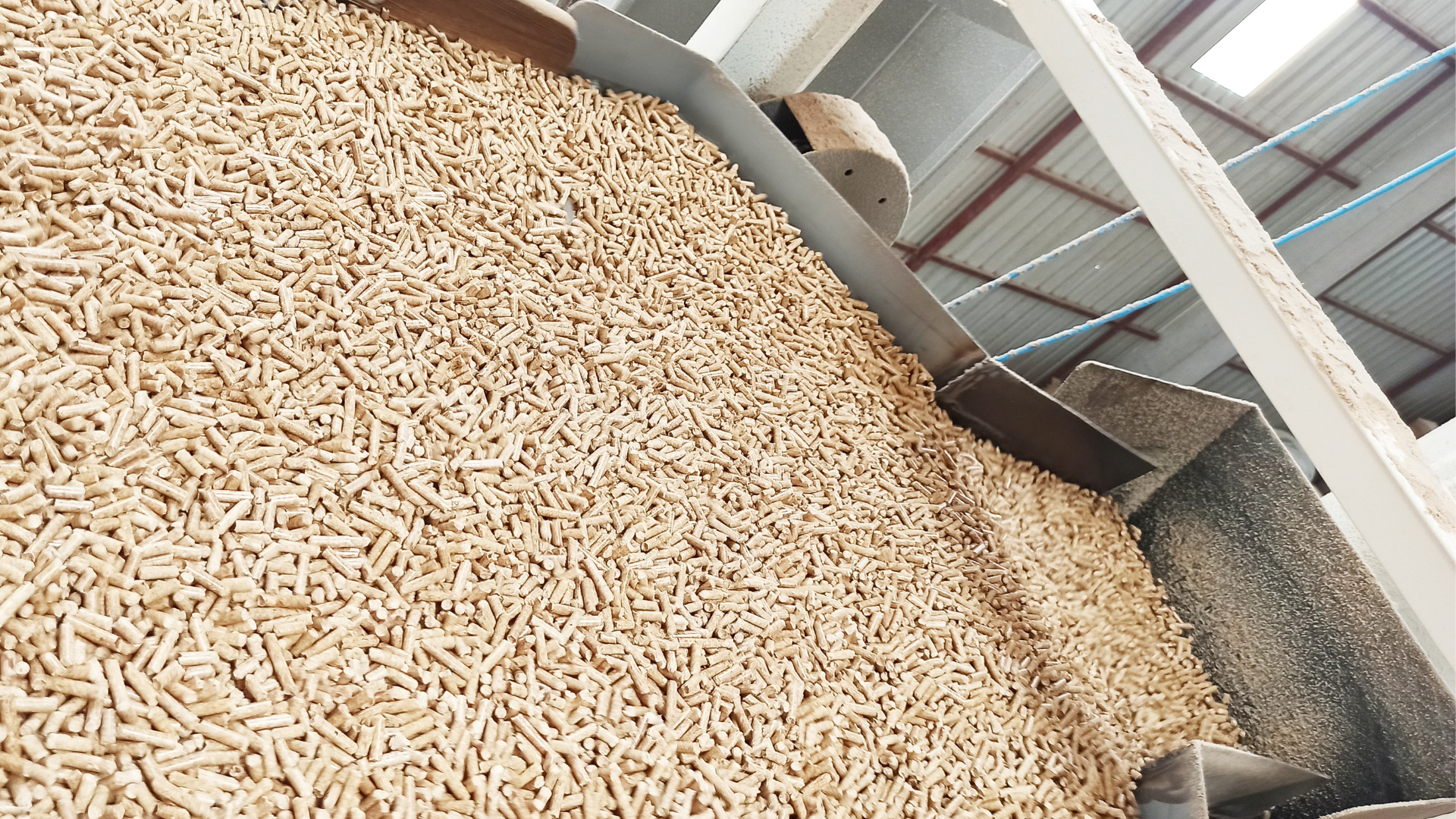
Wood pellets are small, cylindrical fuel pellets typically measuring between 6 and 10 millimeters in diameter. They are produced by compressing dry wood residues under high pressure, without the need for chemical binders.
Due to their high density and low moisture content, it burns efficiently and consistently. This makes them easier to store, transport, and use compared to raw biomass such as firewood or wood chips. Their uniform size also allows for automated feeding systems in stoves, boilers, and industrial plants.
How Wood Pellets Are Made
The production of wood pellets follows a controlled process designed to ensure consistent quality and performance.
First, raw materials such as sawdust, wood shavings, or wood chips are collected from sawmills and wood-processing facilities. These materials are then dried to reduce moisture content, which is essential for efficient combustion.
Next, the dried material is finely ground and compressed through pellet mills under high pressure. Natural lignin present in the wood acts as a binder, holding the pellets together. Finally, the pellets are cooled, screened to remove fines, and packaged for storage or export.
Key Characteristics
Several technical characteristics make wood pellets an effective renewable fuel:
- Low moisture content, typically below 10%, which improves combustion efficiency
- High energy density, usually around 16–18 MJ/kg
- Low ash content, resulting in cleaner burning and reduced maintenance
- Uniform size and shape, allowing reliable automated feeding
These properties make it suitable for both small-scale heating systems and large industrial applications.
Benefits of Using Wood Pellets
Wood pellets provide a combination of environmental and economic advantages that make them attractive to households, businesses, and energy producers
Eco-Friendly and Renewable Energy Source
Wood pellets are considered carbon-neutral because the carbon dioxide released during combustion is roughly equal to the amount absorbed by trees during growth. When sourced from sustainably managed forests, they help reduce greenhouse gas emissions and support long-term environmental goals.
By utilizing wood waste and residues, pellet production also minimizes landfill use and maximizes the value of forestry resources.
Cost-Effective and Stable Energy Option
Compared to fossil fuels, wood pellets often offer more stable pricing over time. This predictability helps households and industries manage energy costs more effectively, especially in regions affected by volatile oil and gas markets.
For industrial users, it also reduces exposure to carbon taxes and emissions regulations increasingly applied to coal-based energy.
Industrial and Domestic Applications of Wood Pellets
Wood pellets are used across a wide range of sectors.
In residential settings, pellet stoves and boilers provide efficient heating for homes and small buildings. These systems are easy to operate and produce minimal emissions.
In industrial and commercial applications, it is used in boilers, combined heat and power plants, and utility-scale power stations. Many industries are switching from coal to biomass pellets to meet sustainability targets and regulatory requirements.
Challenges and Considerations
Despite their advantages, it also facee certain challenges.
Ensuring sustainable forestry practices is critical to maintaining their environmental benefits. Responsible sourcing and certification play an important role in this process.
Transportation emissions can also affect overall sustainability, particularly for long-distance exports. Ongoing improvements in logistics efficiency and shipping practices help reduce this impact.
Finally, maintaining consistent pellet quality remains essential, especially for industrial users who rely on precise fuel specifications for efficient operation.
Conclusion
Wood pellets have emerged as a practical and scalable solution for reducing reliance on fossil fuels. Their efficiency, renewable nature, and versatility make them a key component of the global shift toward cleaner energy.
As technology advances and sustainability standards continue to improve, it’s expected to play an even greater role in shaping a more sustainable energy future for both domestic and industrial users worldwide.
- Is Binchotan Worth the Cost? A Buyer’s Perspective
- Wood Chips Supply Chain from Indonesia: Sourcing, Drying, and Transport
- Handling and Storage Best Practices for Exporting Charcoal Products
- Wood Pellets for Industrial Boilers: Performance Factors Beyond Certification
- Coconut Shell Charcoal for Shisha and BBQ: Key Differences Buyers Should Know



0 Comments