
Introduction
Wood briquettes vs charcoal briquettes is a common comparison for buyers sourcing solid fuels for heating, industrial use, and foodservice applications. While both products are compressed biomass fuels, they differ significantly in raw materials, combustion behavior, and end-use suitability.
This article explains the key differences between wood briquettes and charcoal briquettes, their typical applications, and what buyers should consider when choosing between them.
What Are Wood Briquettes?
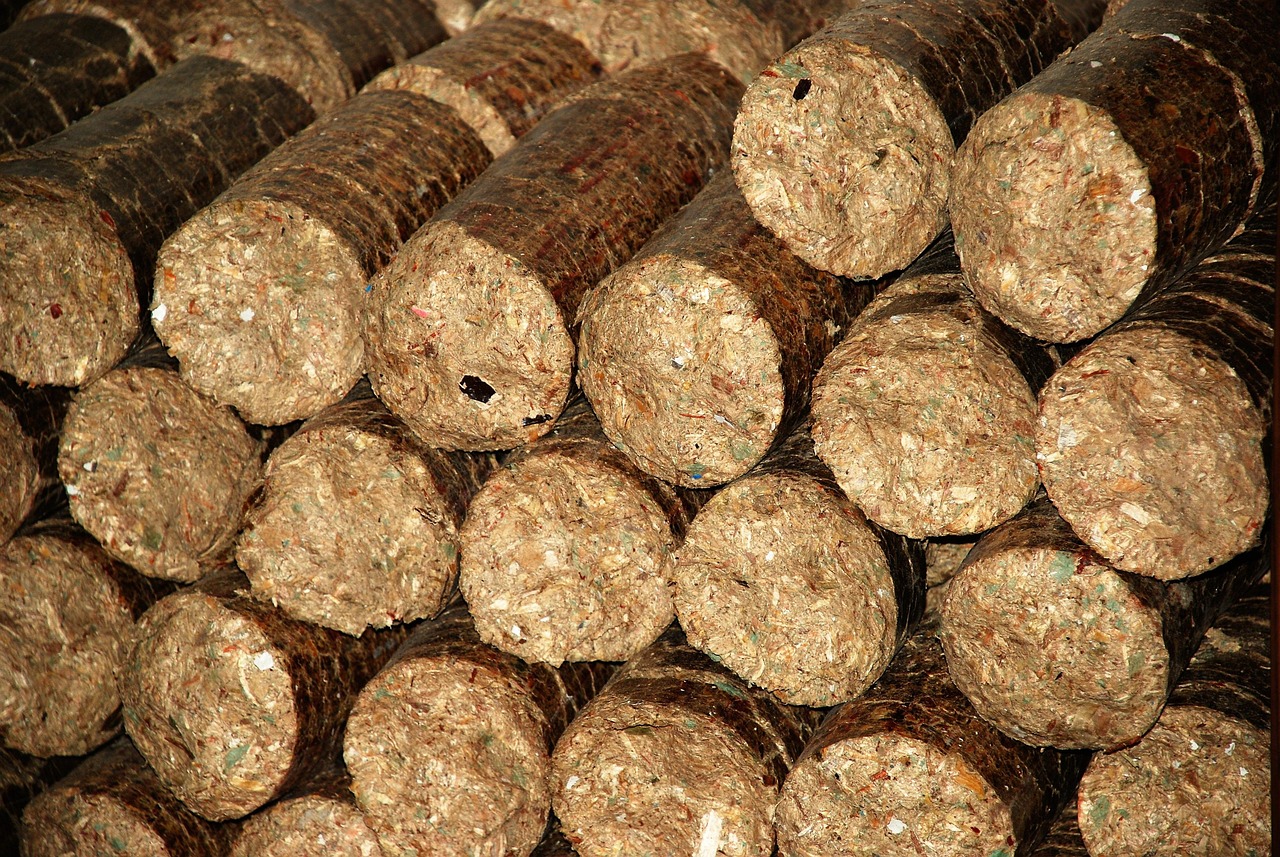
Wood briquettes are manufactured by compressing dry sawdust, wood shavings, or other wood residues under high pressure. They contain no chemical binders, relying instead on natural lignin in the wood to hold their shape.
Key characteristics of wood briquettes include:
- High energy density
- Low moisture content
- Consistent size and shape
- Clean, steady combustion
Wood briquettes are primarily used as an alternative to firewood or coal for heating and industrial boilers.
👉 Internal link: Wood Briquettes product page
What Are Charcoal Briquettes?
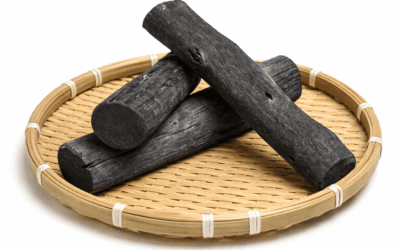
Charcoal briquettes are made from carbonized biomass, usually wood charcoal fines or coconut shell charcoal, mixed with binders and formed into uniform shapes.
Typical features include:
- Longer burn time compared to lump charcoal
- Stable heat output
- Controlled ash production
- Predictable performance for grilling
Charcoal briquettes are widely used in BBQ, foodservice, and retail grilling markets.
👉 Internal link: BBQ Charcoal Briquettes product page
Key Differences Between Wood Briquettes and Charcoal Briquettes
Although both products are briquettes, their performance and use cases differ:
| Feature | Wood Briquettes | Charcoal Briquettes |
| Raw material | Raw wood residues | Carbonized biomass |
| Primary use | Heating & industry | BBQ & foodservice |
| Smoke | Higher during ignition | Lower, more controlled |
| Ash content | Low to moderate | Low, predictable |
| Flavor impact | Not suitable for cooking | Suitable for grilling |
Understanding these differences helps buyers select the correct fuel for their application.
Applications and End Uses
Wood Briquettes Applications
- Industrial boilers
- District heating systems
- Residential heating
- Biomass power plants
Charcoal Briquettes Applications
- BBQ and grilling
- Restaurants and catering
- Retail charcoal brands
- Outdoor cooking markets
Choosing the wrong briquette type can lead to poor performance or compliance issues.
Buyer Considerations When Choosing Briquettes
When comparing wood briquettes vs charcoal briquettes, buyers should evaluate:
- Intended application (heating vs cooking)
- Energy output and burn duration
- Ash handling requirements
- Storage and moisture sensitivity
- Import regulations and certifications
Industrial buyers often prioritize calorific value and moisture control, while foodservice buyers focus on heat stability and flavor neutrality.
Export Demand and Market Trends
Global demand for both briquette types is growing due to the shift toward cleaner solid fuels. Europe and East Asia lead demand for wood briquettes in heating, while charcoal briquettes remain dominant in BBQ markets worldwide.
Indonesia plays an important role as an export origin due to its biomass availability and production capacity.
Conclusion
The comparison of wood briquettes vs charcoal briquettes highlights that each product serves a distinct purpose. Wood briquettes are best suited for heating and industrial energy, while charcoal briquettes are optimized for grilling and foodservice use.
Understanding these differences allows buyers to source the right product and avoid costly mistakes.
Call to Action
If you are evaluating wood briquettes or charcoal briquettes from Indonesia, selecting the right fuel is critical to performance and customer satisfaction.
Contact our team to request specifications, samples, and export-ready packaging options.
- Is Binchotan Worth the Cost? A Buyer’s Perspective
- Wood Chips Supply Chain from Indonesia: Sourcing, Drying, and Transport
- Handling and Storage Best Practices for Exporting Charcoal Products
- Wood Pellets for Industrial Boilers: Performance Factors Beyond Certification
- Coconut Shell Charcoal for Shisha and BBQ: Key Differences Buyers Should Know



0 Comments